Busan or Jeju for a short trip? An honest comparison
One is a big port city you can reach by train and explore by subway. The other is an island that rewards a car. Which one fits depends on how you like to travel.
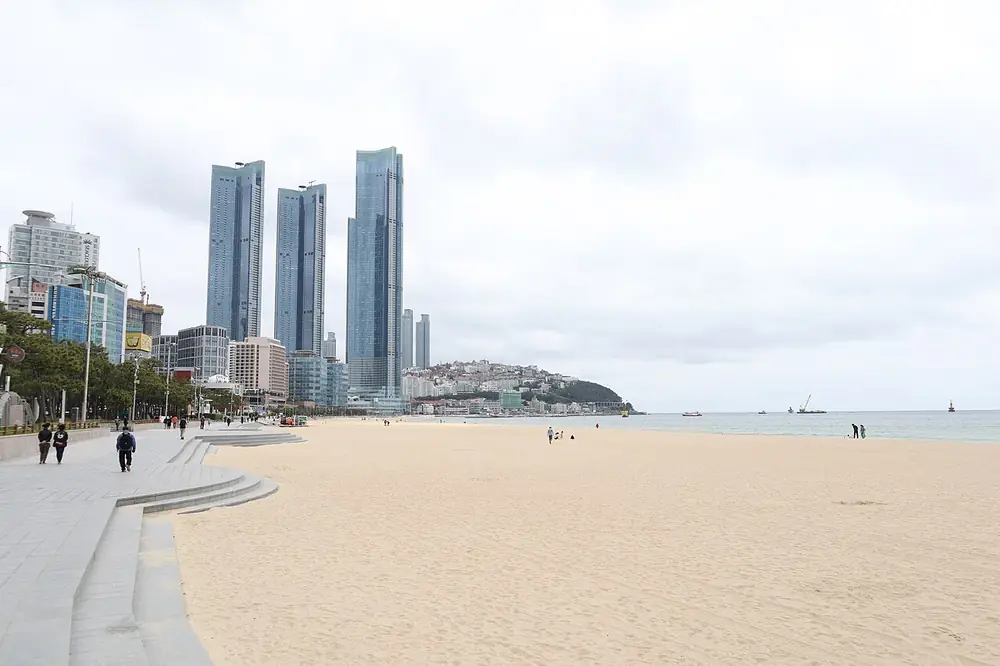
Busan if you want an easy city break by train with no car, Jeju if you can drive or will pay for taxis and want coast, hills and slow days.
Quick answer
- Easiest from Seoul: Busan. The KTX takes roughly 2 hours 10 minutes to 2 hours 40 minutes, and a standard seat costs about 54,000 won.
- Jeju means flying: Gimpo to Jeju is the busiest air route in the world, with about an hour in the air.
- Getting around: Busan works on subway and buses. Jeju is spread out, so a car or taxis make a short trip far easier.
- Driving in Jeju: you need an International Driving Permit from a Geneva or Vienna convention country, plus your home license and passport.
- Weather: both get the rainy season in early summer, and Jeju's usually starts first, around mid to late June.
- KTX Seoul to Busan
- About 54,000 won, about 2h10 to 2h40
- Seoul to Jeju
- About an hour's flight from Gimpo
- Jeju city buses
- Tap an overseas Visa card
- Renting a car
- IDP, home license and passport
You have two or three days to spare outside Seoul, and every list of Korea highlights puts Busan and Jeju near the top. They look similar on paper: both are by the sea, both are popular with Koreans on holiday, both have beaches and seafood. On the ground they’re very different trips. Busan is Korea’s second city, with a subway and a train line straight from central Seoul. Jeju is a volcanic island where the good parts are spread out, and how you get around decides how much you see.
The short version
For a short trip without a car, go to Busan. The KTX gets you from Seoul Station to Busan in a little over two hours on the fastest trains, the subway reaches most of what you’ll want to see, and you can travel light without planning anything.
Choose Jeju if you can drive (or are happy to spend on taxis), you want coast walks, volcanic scenery and a slower pace, and you don’t mind a flight. Without a car, Jeju still works, but you’ll see fewer places and spend more of your time on buses.
Getting there from Seoul
Busan by KTX. Trains leave from Seoul Station, a short ride from most central hotels. The newer KTX-Cheongryong trains take about 2 hours 10 minutes to Busan, and regular KTX services that stop more often take about 2 hours 40 minutes. Since September 1, 2026, when KTX and SRT were merged, a standard seat from Seoul to Busan costs 54,400 won, down from 59,800 won. Trains from Suseo station (handy for Gangnam) are now sold on the same Korail booking system. Our KTX booking guide explains how to buy tickets with a foreign card.
Jeju by air. You fly, usually from Gimpo Airport. Gimpo to Jeju was the world’s busiest airline route in 2025, with about 14.4 million seats scheduled, so there are flights all day. Time in the air averages around an hour and ten minutes. Add the trip to Gimpo, check-in and the wait at the gate, and door to door is often similar to the KTX to Busan, sometimes longer. Fares swing a lot with dates and holidays, so compare a few.
Flying between Busan and Jeju takes about an hour, which makes doing both in one trip easy.
Getting around once you’re there
Busan has a subway, city buses and plenty of taxis. A T-money card works on its transit, but Seoul’s Climate Card doesn’t. If you need to buy single subway tickets, note that Busan’s station ticket machines and T-money top-ups were cash only as of mid-2026, with overseas card acceptance at machines planned for the second half of the year. Since September 2026, Busan Metro also sells tickets through Alipay+ and UnionPay mobile payments. The city is long and hilly, and the main areas (Haeundae, Gwangalli, Seomyeon, Nampo and Busan Station) are spread along the coast, so expect some rides of 30 minutes or more between them.
Jeju is the bigger challenge. Since August 2025, about 800 city buses have accepted tap payment by card, and the Korea Herald reports that overseas Visa cards work on Jeju’s transit without a transit card. That’s handy, but buses on the island run less often than in a city, and the sights (Seongsan Ilchulbong, the west coast beaches, the Olle walking trails, Hallasan’s foothills) are far apart. Most visitors on a short trip either rent a car or use taxis for the longer hops. Our taxi guide covers how to hail and pay.
Busan and Jeju side by side
| Busan | Jeju | |
|---|---|---|
| From Seoul | KTX, about 2h10 to 2h40, about 54,000 won standard seat | Flight, about an hour in the air |
| Getting around | Subway, buses, taxis | Car, taxis, slower buses |
| Foreign card on transit | Not yet at subway gates | Overseas Visa tap on city buses |
| Best for | City life, food, beaches with a skyline, markets | Coast, nature, walking, slow drives |
| Short trip without a car | Easy | Possible but limited |
| Worst weather risk | Summer rain and heat | Summer rain, wind |
Seasons and weather
Both places get the summer monsoon (jangma). Jeju’s usually arrives first: its average start date is June 19, though in 2026 it began late, on June 30, and the heaviest rain in Jeju had ended by about July 19. Expect humid, wet spells through early summer in both places.
Busan’s summer is beach season. In 2026, Haeundae opened on June 26 and stayed open through September 15, and Busan’s seven public beaches drew more than 21 million visitors over the summer. If you want the beaches without the August crowds, early September, before the season closes, is a calmer bet.
Spring and autumn are the easy seasons for both. Jeju’s walking trails (the Jeju Olle network has 27 routes and 437 km in total) are most pleasant in those months, when it’s cool enough to walk for hours. Island weather can also cancel or delay flights, so leave some slack before an international departure.
Rules and mistakes that catch visitors out
Arriving in Jeju without an International Driving Permit. You need an International Driving Permit issued by a country that’s party to the Geneva or Vienna convention, plus your original license and passport. Some apps call this an “international driver’s license”; what counts is the official permit from your home country. Rental companies set their own minimum age and years-of-experience rules, so check before you book.
Planning to circle Jeju by bus in two days. It can be done, but you’ll mostly see bus windows. Pick one or two areas instead.
Bringing a Climate Card. It only works in Seoul. Use T-money in Busan, or a Visa card on Jeju’s buses.
Booking KTX at the last minute on holidays. Trains to Busan can sell out around Chuseok, Lunar New Year and long weekends. Book as soon as your dates are fixed.
Flying out of Jeju on the last day of your trip. If weather delays your flight to Seoul, you could miss your international connection. Leave a buffer night in Seoul if you can.
Costs
Neither place is cheap compared with the rest of Korea in peak season, and prices jump on summer weekends and public holidays. For a short trip, the biggest difference is transport. Busan is a fixed, known train fare and cheap city transit. Jeju adds flights that vary with dates, plus a rental car and fuel or taxi fares. If you’re on a tight budget, Busan is usually easier to keep predictable. Our honest look at costs in Korea has more on day-to-day spending.
What we’d do
Two days, no car, first trip to Korea: Busan. KTX down in the morning, Haeundae or Gwangalli for the evening, markets and Gamcheon the next day. Our 7-day Seoul and Busan itinerary shows how it fits into a week.
Three days, you can drive, you like nature: Jeju. Rent a car, base yourself on one side of the island, and spend a day on a section of the Olle trail.
Three days, no license: still Busan, unless you’re happy to spend on taxis in Jeju or pick one Jeju base and keep it small.
Four or five days and curious about both: take the KTX to Busan, then fly from Busan to Jeju, and fly back to Seoul from there.
Traveling in July or August: Busan for the beaches, but book early and expect crowds. Jeju is lovely in summer between the rain and the heat, if you keep the plan loose.
Questions people ask
Is Busan or Jeju better for a 2-day trip?
Busan, for most people. You can take the KTX from central Seoul, use the subway when you arrive, and see a lot without planning transport. Two days on Jeju without a car means spending a big share of your time on buses.
How much is the KTX from Seoul to Busan?
A standard seat between Seoul and Busan costs about 54,000 won since September 1, 2026, when KTX fares were cut to SRT levels. Before that it was 59,800 won.
Can I rent a car in Jeju as a foreigner?
Yes, with an International Driving Permit issued by a country that's party to the Geneva or Vienna road traffic conventions, plus your original license and passport. Rental companies set their own age and experience rules, so check when booking.
Can I get around Jeju without a car?
Yes, but slowly. Jeju's city buses accept overseas Visa cards by tap, and taxis are widely available, but sights are spread around the island. Pick a base and a few areas rather than trying to circle the whole island by bus.
Can I use the Climate Card in Busan or Jeju?
No. The Climate Card only covers Seoul. A T-money card works on transit in Busan, and in Jeju you can also tap an overseas Visa card on city buses.
How we checked this
Change log
- First published.
Sources
- SBS Biz: KTX and SRT integrated, fares cut 10% on average from next month (2026-08-05)
- Toss Bank: KTX and SRT integration, fares and booking from September (2026-08-20)
- Stars and Stripes Korea: new KTX-Cheongryong trains shorten times from Busan to Seoul (2024-05-02)
- OAG: Jeju-Seoul Gimpo is the world's busiest airline route in 2025 (2025-12-22)
- Daum (Waeng): why flights to Jeju from Seoul and Busan take about the same time (2022-02-08)
- Korea Herald: Jeju lets overseas Visa cards pay for transit (2026-04-13)
- CBS NoCut News: open-loop transit in Jeju and card payments in Busan (2026-06-10)
- Herald Business: Busan Metro sells tickets through global travel platforms (2026-09-16)
- Korean Culture and Information Service: renting a car in Korea as a foreigner (2019-05)
- Financial News: Jeju monsoon start delayed past average date (2026-06-25)
- Korea Times: monsoon to end early next week, heat wave to follow (2026-07-23)
- Korea JoongAng Daily: Busan beaches top 21 million visitors as summer draws to a close (2026-09-05)
- Jeju Olle Foundation: Jeju Olle Trail (checked 2026-10-09)
Spotted something out of date? Tell us and we'll re-check it.
Read or use next
-
 How to book KTX as a foreigner (and change or refund tickets)
The trains are excellent. Buying the ticket is the hard part, and it got a lot easier in 2026.
How to book KTX as a foreigner (and change or refund tickets)
The trains are excellent. Buying the ticket is the hard part, and it got a lot easier in 2026.
-
 7 days in Seoul and Busan: an itinerary that doesn't waste time
Four days in Seoul, a two-hour train, three days by the sea. The trick is doing Busan by area and not dragging your suitcase across it.
7 days in Seoul and Busan: an itinerary that doesn't waste time
Four days in Seoul, a two-hour train, three days by the sea. The trick is doing Busan by area and not dragging your suitcase across it.
-
 Taking taxis in Korea as a tourist (2026)
Seoul taxis are cheap by big-city standards and nearly all take cards. The trouble spots are late nights, airports and drivers who see a tourist.
Taking taxis in Korea as a tourist (2026)
Seoul taxis are cheap by big-city standards and nearly all take cards. The trouble spots are late nights, airports and drivers who see a tourist.
-
 Day trips from Seoul, ranked honestly
Seven trips people take out of Seoul, ranked by how much you get for the hours you spend getting there and back.
Day trips from Seoul, ranked honestly
Seven trips people take out of Seoul, ranked by how much you get for the hours you spend getting there and back.