Is Korea expensive? Real daily costs in 2026
Getting around and eating simply is cheap. Barbecue, cafes and taxis are where the money goes, and they add up faster than you'd think.
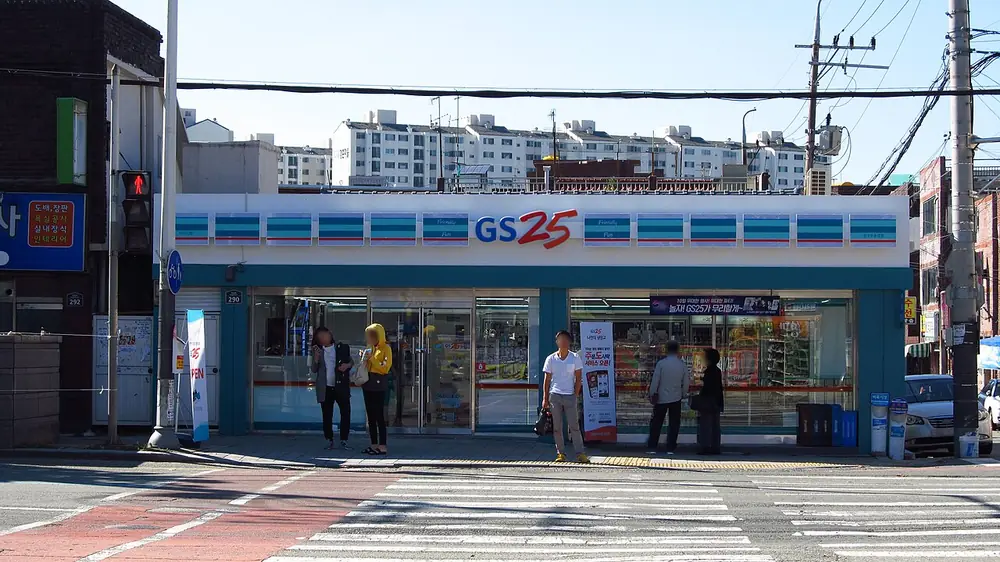
Cheap for transit, sights and everyday meals; mid-priced to expensive once barbecue, cafes and taxis become a habit.
Quick answer
- Transit is cheap: a subway ride is 1,550 won by card, and a 1-day Climate Card pass is 5,000 won.
- Everyday meals are moderate: a kimchi stew set averaged 8,654 won and naengmyeon 12,615 won in Seoul in April 2026.
- Barbecue and cafes are where it climbs: a 200g portion of pork belly averaged 21,321 won, and a tall Starbucks Americano is 4,700 won.
- Sights are cheap for now: Gyeongbokgung is 3,000 won and the National Museum of Korea is free, but palace fees are set to rise from 2027.
- Subway ride
- 1,550 won by card
- Taxi base fare (Seoul)
- 4,800 won for the first 1.6 km
- Kimchi stew set (Seoul avg)
- 8,654 won (April 2026)
- Gyeongbokgung entry
- 3,000 won; free in hanbok
People arrive in Seoul with two opposite ideas. Some expect Tokyo prices and are surprised a subway ride costs about a dollar. Others have read that Korea is a bargain and get a shock when a barbecue dinner for two runs past 80,000 won. Both are partly right, because Korean prices are uneven. Some things are cheap by any standard, and some cost as much as they would at home.
So instead of one answer, here are the actual prices for the things you’ll pay for every day, where they come from, and what they add up to.
The short version
Getting around Seoul, seeing the main sights and eating everyday Korean food is cheap to moderate. A careful traveler can do a full day on about 30,000 won before accommodation. Prices climb fast once barbecue, sit-down cafes and taxis become habits, and a comfortable day can easily reach 130,000 won. Every common restaurant dish the Korea Consumer Agency tracks in Seoul rose 3% to 5% in the year to April 2026, so older blog posts will undersell what you’ll pay.
Getting around
Transit is where Korea is cheapest.
- Subway: 1,550 won per ride with a transit card, since June 28, 2025. Free transfers within 30 minutes of tapping out.
- Climate Card short-term pass: unlimited rides in Seoul for 5,000 won (1 day), 8,000 won (2 days), 10,000 won (3 days), 15,000 won (5 days) or 20,000 won (7 days), plus 3,000 won for the card.
- Taxi: a regular Seoul taxi starts at 4,800 won for the first 1.6 km, then adds 100 won per 131 m and 100 won per 30 seconds when crawling in traffic.
A sightseeing day of four or five rides costs 5,000 won on a pass. Taxis are cheap compared with most Western cities, but a couple of 20-minute rides a day will cost more than a week of subway. Our transit card guide has the break-even math.
What food really costs
The best data on restaurant prices comes from the Korea Consumer Agency’s price portal, Chamgagyeok (참가격), which publishes monthly averages for eight common dishes in Seoul and other regions. These are the Seoul averages for April 2026, as reported by Hankyung and Korea JoongAng Daily:
| Dish | Seoul average, April 2026 | A year earlier |
|---|---|---|
| Kimbap (one roll) | 3,800 won | 3,623 won |
| Jajangmyeon | 7,731 won | 7,500 won |
| Kimchi stew set meal (김치찌개백반) | 8,654 won | 8,500 won |
| Kalguksu | 10,038 won | 9,615 won |
| Naengmyeon | 12,615 won | 12,115 won |
| Samgyetang | 18,154 won | 17,500 won |
| Samgyeopsal (pork belly, 200g) | 21,321 won | 20,447 won |
Bibimbap is on the same list; it averaged 11,038 won in Seoul in September 2024, the most recent Seoul figure we could confirm, so expect a little more now. Korea JoongAng Daily described 10,000 won as the new normal for a bowl of gukbap in central Seoul in mid-2026.
Two caveats. These are averages, so tourist areas and famous restaurants often charge more. And barbecue is priced per portion, with many places requiring at least two, which is why a pork belly dinner rarely costs only 21,321 won. If you’re traveling alone, our solo dining guide explains the two-portion rule.
Coffee, convenience stores and snacks
Coffee is one of the few things that costs more than you’d guess. A tall Americano at Starbucks Korea has been 4,700 won since January 24, 2025. Office workers quoted by Korea JoongAng Daily in 2026 counted about 4,000 won for an after-lunch coffee, so budget around that for a cafe drink.
Convenience stores are the budget traveler’s kitchen. In late 2024, the Korea Times reported that triangle kimbap had risen to 1,700 won and new lunch boxes at the big four chains mostly cost 6,000 to nearly 7,000 won. An office worker quoted by Korea JoongAng Daily in 2026 put a convenience store lunch of cup noodles and triangle kimbap at about 8,000 won. Prices vary by item and chain, so check the shelf.
Sights and attractions
Many of Seoul’s big sights are cheap or free, at least until the end of 2026.
- Gyeongbokgung and Changdeokgung: 3,000 won for adults.
- Changgyeonggung and Deoksugung: 1,000 won.
- Hanbok: if you wear one, palace entry is free, and that policy is expected to stay.
- National Museum of Korea: permanent exhibitions have been free since 2008. Special exhibitions charge.
Two changes are coming. The Korea Heritage Service plans to raise palace and royal tomb fees from January 1, 2027, the first increase in about 20 years, with the new prices expected around November 2026. And the National Museum of Korea is introducing online reservations in 2026, which many see as a step toward charging for permanent exhibitions. Neither has a confirmed price yet, so check before you go.
Paid attractions outside Seoul cost more. Nami Island’s ticket, including the round-trip ferry, is 19,000 won for adults. We look at whether that’s worth it in our honest take on Nami Island.
A daily budget, built from those prices
These are our estimates for one person for one day in Seoul, built from the sourced averages above. They exclude accommodation, shopping, alcohol and anything outside Seoul. Round up if you eat in tourist areas.
| Budget | Mid-range | Comfort | |
|---|---|---|---|
| Transit | 1-day Climate Card, 5,000 | 1-day pass plus one short taxi, about 12,000 | Several taxi rides, about 30,000 |
| Breakfast | Two triangle kimbap, about 3,400 | Kimbap roll and a cafe coffee, about 8,500 | Kimbap roll and a cafe coffee, about 8,500 |
| Lunch | Kalguksu, about 10,000 | Naengmyeon, about 12,600 | Samgyetang, about 18,200 |
| Dinner | Kimchi stew set, about 8,700 | Pork belly, one portion each when sharing, about 21,300 | Pork belly, two portions alone, about 42,600 |
| Afternoon coffee | None | One coffee, 4,700 | Two coffees, 9,400 |
| Sights | One palace, 3,000 | Two palaces, 4,000 | Palace plus a paid attraction at around 19,000, about 22,000 |
| Rough total | About 30,000 won | About 63,000 won | About 130,000 won |
The budget column is genuinely doable and you’ll eat well. The comfort column is where Korea stops feeling cheap.
The things that catch visitors out
Barbecue math. Menus show the price per portion, not per person, and many places expect two portions minimum. Two portions of pork belly and two bowls of naengmyeon come to about 68,000 won on Seoul averages, before drinks; Hankyung’s June 2026 headline put a similar meal at 80,000 won.
Old price guides. The eight dishes the Consumer Agency tracks each rose 3% to 5% in the year to April 2026, and they were cheaper still a few years before that. A blog post from 2022 will undershoot.
Cafes as a hobby. Korea’s cafe culture is fun, but three cafe drinks a day at 4,000 to 5,000 won each will cost more than a bowl of kalguksu.
Paying with a foreign card at machines. Subway ticket machines that accept foreign cards add a fee of around 3.7%. Small, but it adds up on passes.
Forgetting the tax refund. Stores offering immediate tax refunds take the tax off at the till when you show your passport, up to 1 million won per purchase and 5 million won per trip. Our tax refund guide covers how it works.
You don’t need to tip. Prices include tax and service.
What we’d do
Backpacker or student: Buy a Climate Card pass, eat lunch at kimbap shops, noodle places and gukbap restaurants, use convenience stores for breakfast, and see the palaces before the 2027 price change. 30,000 to 40,000 won a day plus your bed is realistic.
First-time mid-range traveler: Same transit plan, one sit-down Korean dinner a day, one good coffee. Save barbecue for nights you’re with someone so the two-portion rule works in your favor. Plan on 60,000 to 70,000 won a day.
Comfort traveler or family: Taxis for the awkward hops, barbecue and samgyetang without checking prices, a paid day trip or two. Budget around 130,000 won a day per adult, and ask about kids’ and senior discounts at attractions.
For any of these, bring a card for counters and a little cash for T-money top-ups.
Questions people ask
How much money do I need per day in Seoul?
Excluding accommodation, our estimates from 2026 prices are about 30,000 won a day for a careful budget, around 63,000 won mid-range, and about 130,000 won for a comfortable day with taxis and barbecue. Shopping and drinks are extra.
Is food expensive in Korea?
Everyday meals aren't. In April 2026 Seoul averages were 3,800 won for a kimbap roll, 7,731 won for jajangmyeon and 8,654 won for a kimchi stew set. Barbecue, samgyetang and cafe coffee are where prices climb.
Do I need to tip in Korea?
No. Tipping isn't expected, and menu prices already include tax and service.
Are taxis expensive in Seoul?
Cheaper than in most Western capitals. A regular Seoul taxi starts at 4,800 won for the first 1.6 km, then adds 100 won per 131 m, plus time charges in slow traffic.
Will palace tickets get more expensive?
Probably. The Korea Heritage Service plans new admission fees for palaces and royal tombs from January 1, 2027, with the amounts to be announced around November 2026. Wearing hanbok is expected to stay free.
How we checked this
Change log
- First published.
Sources
- Korea Consumer Agency Price Information (참가격): restaurant price averages (checked 2026-10-09)
- Hankyung: Seoul naengmyeon and samgyeopsal prices, April 2026 Consumer Agency data (2026-06-01)
- Korea JoongAng Daily: lunchflation puts the squeeze on Seoul restaurateurs (2026-06-09)
- Munhwa Ilbo: Seoul bibimbap averages 11,000 won (2024-10-14)
- Korea Times: 'lunchflation' spreads to convenience stores (2024-10-28)
- Seoul Metropolitan Government: public transport fares (checked 2026-10-09)
- Seoul Metropolitan Government: Climate Card short-term passes (2026-10-01)
- Kyunghyang Shinmun: Starbucks tall Americano rises to 4,700 won (2025-01-20)
- Eyesmag: palace and royal tomb admission fees to rise for the first time in 20 years (2026-08-05)
- Korea Herald: is National Museum of Korea really among world's top 3 by visitors? (2026-01-20)
- Korea Times: why tipping culture remains controversial in Korea (2025-08-07)
Spotted something out of date? Tell us and we'll re-check it.
Read or use next
-
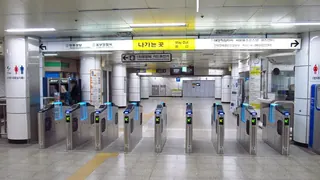 T-money vs WOWPASS vs Climate Card: which transit card to get in 2026
Three cards, one tap at the gate. Here's which one saves you money, depending on how you'll actually move around.
T-money vs WOWPASS vs Climate Card: which transit card to get in 2026
Three cards, one tap at the gate. Here's which one saves you money, depending on how you'll actually move around.
-
 Korea tax refund for tourists, step by step (2026)
You can get the tax back at the till, in town or at the airport. Which one makes sense depends on how much you spend and how you pack.
Korea tax refund for tourists, step by step (2026)
You can get the tax back at the till, in town or at the airport. Which one makes sense depends on how much you spend and how you pack.
-
 Eating alone in Korea: where you'll be welcome and where you won't
Most of Korea feeds solo diners without blinking. The exceptions are predictable, and knowing them saves you an awkward walk back out the door.
Eating alone in Korea: where you'll be welcome and where you won't
Most of Korea feeds solo diners without blinking. The exceptions are predictable, and knowing them saves you an awkward walk back out the door.
-
 Exchanging money for Korea: home, airport, Myeongdong or ATM?
You need less cash in Korea than you think, and where you change it matters more than how. A short guide to getting won without overpaying.
Exchanging money for Korea: home, airport, Myeongdong or ATM?
You need less cash in Korea than you think, and where you change it matters more than how. A short guide to getting won without overpaying.