Where to stay in Seoul: neighborhoods compared honestly (2026)
The subway is good enough that you can't pick badly. But your neighborhood decides how your evenings feel and how much of your trip happens underground.
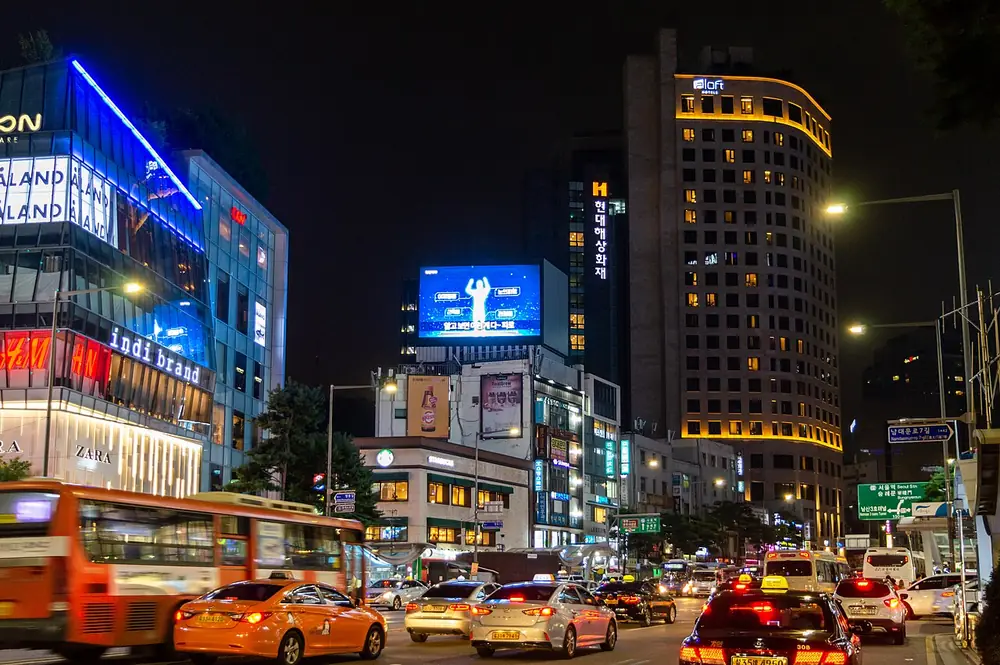
Jongno or Myeongdong for a first sightseeing trip, Seoul Station for short stays and early trains, Hongdae or Seongsu if your evenings matter more than palaces.
Quick answer
- First trip, mostly sightseeing: stay in Jongno (around Anguk or Jongno 3-ga) or Myeongdong. The palaces and old center are close.
- Arriving late or catching an early KTX: stay near Seoul Station. The airport trains and KTX leave from the same complex.
- Nightlife and a smaller budget: Hongdae, which also has a direct (all-stop) airport train.
- Repeat visit, cafes and shops: Seongsu, or Euljiro if you like old alleys and bars.
- Business, clinics or newer hotels: Gangnam, but expect long rides to the historic north.
- Easiest first-trip base
- Jongno or Myeongdong
- Direct airport train
- Seoul Station, Hongdae
- Express airport train
- Stops at Seoul Station only in the city
- Climate Card catch
- Shinbundang Line (Gangnam) not covered
Most people choose a Seoul hotel by staring at a booking map full of price pins and hoping the area is fine. Usually it is. The subway is fast, clean and everywhere, so it’s hard to choose truly badly. But the neighborhood still decides a lot: how far you drag a suitcase from the airport train, whether your evenings are quiet or loud, and whether you spend half an hour each way on Line 2 to reach the palaces you came for.
This guide compares the areas visitors actually book, with the stations that serve them and the downsides hotel listings leave out.
The short version
For a first trip built around sightseeing, stay north of the Han River in the old center: Jongno (around Anguk, Jongno 3-ga or Jonggak stations) or Myeongdong. If you land late, leave early, or are taking the KTX to Busan, stay by Seoul Station. Choose Hongdae if nightlife and a lower budget matter more than palaces. Seongsu and Euljiro are better for a second visit, when you want cafes, design shops and bars rather than landmarks. Gangnam makes sense for business, clinics or shopping south of the river, and Itaewon for food and an international crowd.
If you’d rather answer a few questions than read all of this, our neighborhood picker suggests an area based on how you travel.
How the city is laid out
The Han River splits Seoul into north and south. The historic center is north of the river: Gyeongbokgung, Changdeokgung and Bukchon sit in Jongno, with Myeongdong and City Hall just south of them and Seoul Station below that. Hongdae is west of the center, Itaewon sits under Namsan to the south, and Seongsu is east, still on the north bank. Gangnam is south of the river.
A good rule: stay within a short walk of a station, ideally one where two lines meet, or one on Line 2, which runs as a loop around the city and links Hongdae, Euljiro, Seongsu and Gangnam.
The neighborhoods, one by one
Myeongdong
Served by Myeongdong station on Line 4, two stops from Seoul Station. It’s the default tourist base for good reason: skincare shops, street food, money changers and big chain hotels, all walkable to City Hall and not far from the palaces. Who it suits: first-timers and shoppers. The honest downside is that it’s built for visitors, so it can feel more like an open-air mall than a neighborhood, and the evening crowds on the main streets are heavy.
Jongno, Insadong and Anguk
Anguk station on Line 3 puts you between Changdeokgung (Exit 3) and Insadong (Exit 6), with Bukchon uphill behind it. Jongno 3-ga is a three-line interchange (Lines 1, 3 and 5), and Jonggak is on Line 1, which runs straight to Seoul Station. Who it suits: anyone whose trip is palaces, museums and old streets, and travelers who like to walk. Downsides: some streets go quiet early, many hotels are older, and the hanok guesthouses that make the area appealing often have small rooms and thin walls.
Around Seoul Station
Seoul Station is the city’s biggest transport hub: subway Lines 1 and 4, the Airport Railroad (both express and all-stop trains), the Gyeongui-Jungang Line, GTX-A and the KTX. Who it suits: short stays, late arrivals, early departures and anyone using Seoul as a base for train trips. Downside: it’s a hub, not a place you’ll fall for. Evenings around the station are plain, and the station complex is big enough that “near Seoul Station” can still mean a long walk with luggage.
Hongdae
Hongik University station is on Line 2, the Airport Railroad and the Gyeongui-Jungang Line. The area has live music, bars, street performers and plenty of budget hotels and guesthouses. Who it suits: younger travelers, night owls and anyone watching costs. Downsides: weekend nights are loud, and the palaces are a fair ride away. Also note that only the all-stop airport trains stop here; the express runs nonstop between Seoul Station and the airport.
Seongsu
Seongsu and Ttukseom stations are both on Line 2. Old factories and warehouses have become cafes, concept stores and brand pop-ups, and Seoul Forest is close by. Who it suits: repeat visitors, cafe people and shoppers who want something other than Myeongdong. Downsides: fewer hotels than older areas, a long trip from the airport, and away from the main streets it’s still partly industrial. Weekend afternoons on the pop-up streets can be packed.
Gangnam
Gangnam station is on Line 2 and the Shinbundang Line, and Sinsa (for Garosu-gil) is nearby. Wide streets, newer hotels, good restaurants and a dense cluster of dermatology and cosmetic clinics. Who it suits: business travelers, clinic visitors and people who want a modern hotel. Downsides: it’s spread out and business-like, the historic north is on the other side of the river, and you’ll spend more time on the subway than you expect.
Itaewon
Itaewon station is on Line 6. It has the widest mix of international food in the city, and staff everywhere are used to foreign guests. Who it suits: food-focused travelers and anyone who wants an easy, international feel. Downsides: it’s hilly, Line 6 is out of the way for many sights, and the bar and club streets get loud on weekends.
Euljiro and Dongdaemun (optional)
Euljiro 3-ga station is on Lines 2 and 3, and Dongdaemun History & Culture Park station is a three-line interchange (Lines 2, 4 and 5). Euljiro mixes old print shops and hardware stores with bars hidden up narrow stairways; Dongdaemun has the DDP and late-night fashion malls. Who it suits: travelers who want good connections and a less polished side of the city. Downside: it’s gritty by day, with delivery trucks and wholesale traffic, and not the prettiest walk home.
Seoul neighborhoods side by side
| Area | Main stations (lines) | Best for | Main downside | Airport train |
|---|---|---|---|---|
| Myeongdong | Myeongdong (4) | First trip, shopping | Touristy, crowded evenings | Change at Seoul Station |
| Jongno / Anguk | Anguk (3), Jongno 3-ga (1, 3, 5), Jonggak (1) | Palaces, old streets | Quiet nights, older rooms | Change at Seoul Station |
| Seoul Station | Lines 1, 4, Airport Railroad, Gyeongui-Jungang, GTX-A, KTX | Short stays, early trains | Plain area | Direct, express and all-stop |
| Hongdae | Hongik Univ. (2, Airport Railroad, Gyeongui-Jungang) | Nightlife, budget | Noise, far from palaces | Direct, all-stop only |
| Seongsu | Seongsu, Ttukseom (2) | Cafes, repeat visits | Fewer hotels | Change, long trip |
| Gangnam | Gangnam (2, Shinbundang) | Business, clinics, newer hotels | Spread out, far from old city | Change, long trip |
| Itaewon | Itaewon (6) | International food | Hills, Line 6 | Change |
| Euljiro / Dongdaemun | Euljiro 3-ga (2, 3), DDP (2, 4, 5) | Connections, bars | Gritty by day | Change |
For the full airport-to-city options, including buses, see our Incheon Airport to Seoul guide.
Mistakes that catch visitors out
Trusting “5 minutes to the station.” Check the walking route on a map yourself. Itaewon and the streets above Anguk are steep, and a short distance uphill with a suitcase is not short.
Assuming the express airport train stops near your hotel. In the city, the Airport Railroad express only stops at Seoul Station. Hongdae and Gimpo Airport are on the slower all-stop service.
Booking Gangnam and buying a Climate Card. The Shinbundang Line, which serves Gangnam and Sinsa, isn’t covered by the Climate Card. If you’ll ride it often, compare the options in our transit card guide first.
Splitting your nights across the river. Staying in Gangnam and going out in Hongdae (or the other way round) means a long ride home, and the subway doesn’t run all night. Late nights then end in a taxi.
Ignoring weekend noise. In Hongdae, Itaewon and parts of Euljiro, ask for a high floor or a room away from the street. It makes more difference than the hotel’s star rating.
Comparing prices on one date only. Rates in Seoul move a lot with weekends, holidays and big concerts. Check a few dates before deciding an area is “expensive.”
What we’d do
First trip, three to five days: Jongno near Anguk or Jongno 3-ga if you love history and walking, Myeongdong if you want shopping and food on your doorstep. Either fits our 3-day first-timer plan.
Landing late or leaving early: one or two nights by Seoul Station, even if you move somewhere more interesting afterward.
Seoul plus Busan by KTX: Seoul Station or Myeongdong, so the train is a short ride away on departure day.
Night owls and tighter budgets: Hongdae, on a side street a few blocks back from the main strip.
Second visit: Seongsu for cafes and shopping, or Euljiro if you’d rather spend evenings in old alleys.
Business or clinic trips: Gangnam, and accept that the palaces become a half-day outing.
Families: Jongno or Seoul Station. Flat-ish streets, easy connections and quieter nights matter more with kids than a trendy address.
Questions people ask
Is Myeongdong or Hongdae better for a first trip to Seoul?
For sightseeing, Myeongdong. It's on Line 4, two stops from Seoul Station and close to the palaces. Hongdae suits you better if nights out matter more than early starts.
Is Gangnam a good base for tourists?
It works if you're there for business, clinics or shopping south of the river. For palaces, Bukchon and the old center, you'll spend a lot more time on the subway than you would staying north of the river.
Which Seoul neighborhood is best for the airport?
Seoul Station, where both the express and all-stop Airport Railroad trains start. Hongdae is also on the Airport Railroad, but only the all-stop trains call there.
Should I stay in a hanok guesthouse?
For a night or two, if you like the idea. Traditional houses around Bukchon and Anguk are atmospheric, but rooms are often small and walls thin, so many people pair one hanok night with a regular hotel.
Is Itaewon a good place to stay?
For food variety and a very international crowd, yes. Just know it's hilly, it's on Line 6, which is out of the way for many sights, and the club streets get loud on weekends.
How we checked this
Change log
- First published.
Sources
- Wikipedia: Myeong-dong station (checked 2026-10-09)
- Wikipedia: Anguk station (checked 2026-10-09)
- Wikipedia: Jongno 3-ga station (checked 2026-10-09)
- Wikipedia: Jonggak station (checked 2026-10-09)
- Wikipedia: Seoul station (checked 2026-10-09)
- Wikipedia: AREX (Airport Railroad Express) (checked 2026-10-09)
- Wikipedia: Hongik University station (checked 2026-10-09)
- Wikipedia: Seongsu station (checked 2026-10-09)
- Wikipedia: Gangnam station (checked 2026-10-09)
- Wikipedia: Itaewon station (checked 2026-10-09)
- Wikipedia: Euljiro 3-ga station (checked 2026-10-09)
- Wikipedia: Dongdaemun History & Culture Park station (checked 2026-10-09)
- Seoul Metropolitan Government: Climate Card short-term passes (2026-10-01)
Spotted something out of date? Tell us and we'll re-check it.
Read or use next
- Where to stay in SeoulFive quick questions, then two neighborhoods with honest downsides.
-
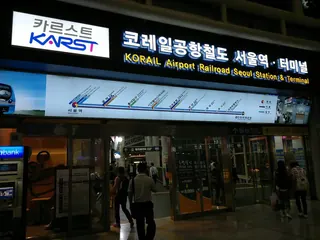 Incheon Airport to Seoul: every option, priced (2026)
Train, bus or taxi. The right answer depends less on price than on where your hotel is and what time you land.
Incheon Airport to Seoul: every option, priced (2026)
Train, bus or taxi. The right answer depends less on price than on where your hotel is and what time you land.
-
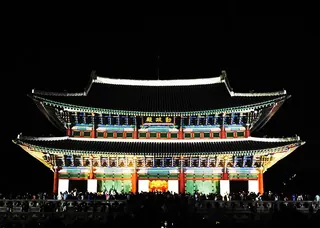 3 days in Seoul for first-timers: a realistic itinerary
Three days is enough for Seoul's highlights if you stop crossing the city twice a day. Group by neighborhood and the subway time mostly disappears.
3 days in Seoul for first-timers: a realistic itinerary
Three days is enough for Seoul's highlights if you stop crossing the city twice a day. Group by neighborhood and the subway time mostly disappears.
-
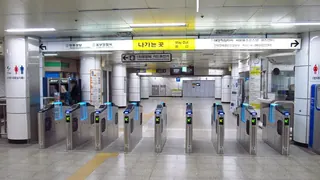 T-money vs WOWPASS vs Climate Card: which transit card to get in 2026
Three cards, one tap at the gate. Here's which one saves you money, depending on how you'll actually move around.
T-money vs WOWPASS vs Climate Card: which transit card to get in 2026
Three cards, one tap at the gate. Here's which one saves you money, depending on how you'll actually move around.