Best time to visit Korea: a season-by-season guide with real dates
Spring and autumn are the easy answer, but each has its own catch. Here's what the weather, the flowers and the holiday calendar actually look like month by month.
Quick answer
- Easiest months: April and May, then late September to early November. Mild, mostly dry, and the flower and foliage seasons fall here.
- Rainy season: the monsoon (jangma) normally runs from about June 19 to July 20 in Jeju and June 25 to July 26 in the Seoul area. July is Seoul's wettest month by far.
- Typhoons: about three a year affect Korea on average, most often in August, then July and September.
- Holidays to plan around: Chuseok falls on September 14 to 16, 2027, and Seollal on February 6 to 8, 2027 (with February 9 as a substitute holiday).
- Spring air: yellow dust is most common in spring, especially April, and fine dust tends to be worse from December to March.
- Seoul cherry blossom
- Normal first bloom April 8
- Monsoon, Seoul area
- About June 25 to July 26
- Peak foliage 2026
- Late October nationwide
- Chuseok 2027
- September 14 to 16
Most people pick their Korea dates around flights, school breaks or annual leave, not the weather. That’s fine. Korea is worth visiting in any month, and each season has a version of the trip that works. What helps is knowing the few windows that change a trip: the weeks of summer rain, the days when half the country is on the move for a holiday, and the short spells when the cherry trees or the hills are at their best.
The short version
If you can choose, come in April to May or from late September to early November. Temperatures are mild, it’s mostly dry, and you get either cherry blossoms or autumn foliage. Of the two, autumn usually skips the spring dust.
Summer (late June to August) is hot, humid and wet, with the monsoon in the first half and typhoon risk in the second. Winter is cold and dry in Seoul, milder in Busan and Jeju, and quieter, apart from the Lunar New Year holiday.
Weather by season
The numbers below are 1991 to 2020 climate normals: the average temperature for the whole month, day and night together. Afternoons are warmer and nights colder.
| Monthly mean temperature | Seoul | Busan | Jeju City |
|---|---|---|---|
| January | -1.9°C | about 3.5°C | about 6.1°C |
| April | about 12.6°C | about 13.8°C | about 14.2°C |
| July | about 25.3°C | about 24.4°C | about 26.1°C |
| August | 26.1°C | about 26.1°C | about 27.1°C |
| October | about 15.1°C | about 17.8°C | about 18.5°C |
| Year | 12.8°C | about 14.9°C | about 16.1°C |
Spring (March to May). March is still cool, and Seoul’s windiest months are March and April. By May it’s comfortable for long walking days in all three cities. The air is the main catch (more on that below).
Summer (June to August). Seoul gets about 1,418 mm of rain a year, and about 63% of it falls between June and August. July alone averages about 414 mm, and humidity peaks then too. August is the hottest month in all three cities. Busan’s beach season runs through it: in 2026, Haeundae opened on June 26 and stayed open through September 15.
Autumn (September to November). September starts warm and can still bring a typhoon. October is the sweet spot, and it’s when the hills turn. Seoul’s normal first frost is October 28, so November gets crisp quickly.
Winter (December to February). Seoul’s January average is below freezing, and the normal first snow is around November 20. Winter is also Seoul’s driest season, with only about 5% of the year’s rain and snow. Busan and Jeju are noticeably milder.
Monsoon and typhoon season
The rainy season, jangma, moves north up the peninsula. The Korea Meteorological Administration’s normal dates are:
| Region | Normal start | Normal end |
|---|---|---|
| Jeju | June 19 | July 20 |
| Southern region (including Busan) | June 23 | July 24 |
| Central region (including Seoul) | June 25 | July 26 |
Treat those as averages, not a schedule. In 2026, Jeju’s monsoon started late, on June 30. Jangma doesn’t mean rain all day every day. It means a few weeks of humid, grey weather with heavy bursts, often enough to wash out a day’s plans. Our rainy day Seoul guide has ideas for those days.
Typhoons are a separate risk. On 1991 to 2020 averages, 25.1 typhoons form each year and 3.4 affect Korea. August is the peak month (1.2 on average), followed by July (1.0) and September (0.8). A typhoon can ground flights and cancel ferries, especially to and from Jeju, so build in slack if you’re flying home soon after an island trip.
Cherry blossoms and autumn colors
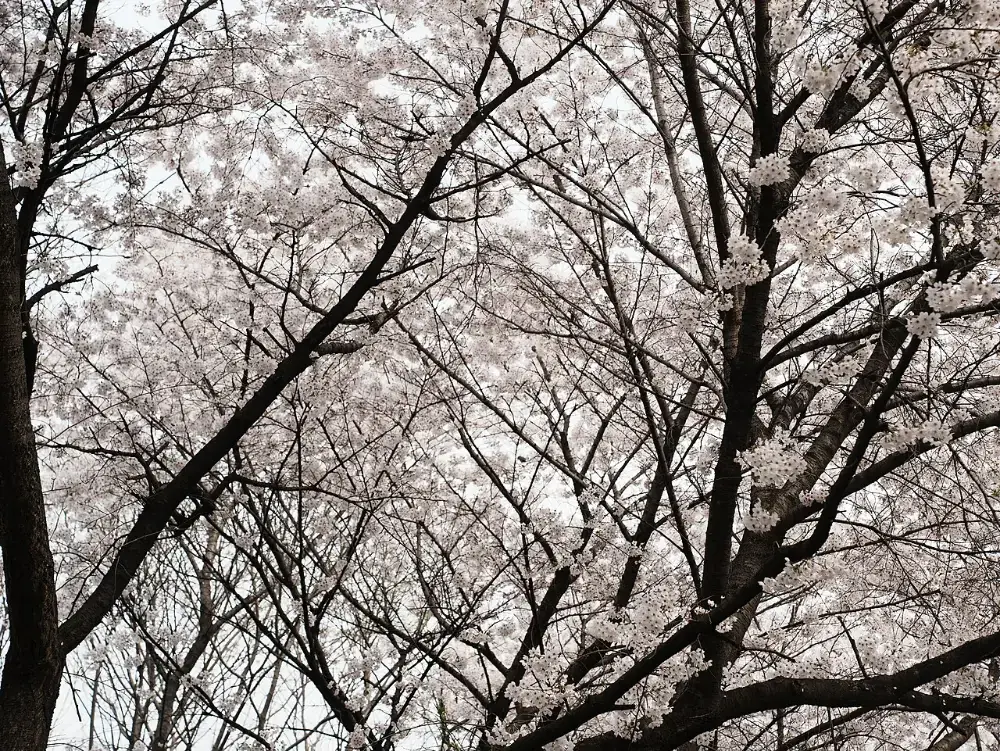
Cherry blossoms. The Korea Meteorological Administration declares Seoul’s bloom when three or more flowers open on a set branch of its standard tree, observed since 1922. The normal date is April 8, but recent springs have been early. In 2026 Seoul bloomed on March 29, 10 days ahead of normal and six days earlier than 2025. Yeouido’s Yunjung-ro, the city’s best-known cherry blossom street, also opened on March 29 (normal April 6).
The south blooms first. Forecasts for 2026 put Jeju’s first flowers around March 20 to 22 and Busan and Jinhae around March 24 to 26. Trees look their best roughly a week after first bloom, so if your dates are fixed, aim a week after the usual first-bloom date for the city you’ll be in.
Autumn foliage. The Korea Forest Service’s 2026 forecast had the first colors at Jeombongsan in Gangwon on September 14, and peak color (when about half a mountain has turned) spreading south from there:
- Seoraksan: around October 20
- Songnisan: around October 28
- Naejangsan: around November 4
- Hallasan on Jeju: around November 6
Nationally, foliage peaks in late October, with ginkgo and maple around October 30 to 31.
Holidays that close things or fill trains
The two big ones follow the lunar calendar, so they move every year. Both are three-day public holidays, and many Koreans travel to see family.
| Holiday | 2026 | 2027 |
|---|---|---|
| Seollal (Lunar New Year) | February 16 to 18 | February 6 to 8, plus February 9 substitute holiday |
| Chuseok (harvest festival) | September 24 to 26 | September 14 to 16 |
What this means for a visitor:
- Transport sells out. KTX seats and Jeju flights go fast around both holidays. Book as soon as your dates are fixed. Our KTX booking guide explains how.
- Some restaurants close. In a 2022 survey of 2,842 restaurant owners by Baemin, about 44% planned to open for the whole Chuseok break, 36% to close only on Chuseok day and about 21% for the entire holiday.
- Palaces can be a bargain. During the 2026 Chuseok break (September 24 to 27), Gyeongbokgung, Changdeokgung, Deoksugung, Changgyeonggung and Jongmyo were free to enter (Changdeokgung’s Secret Garden excluded). Check the Korea Heritage Service announcement for your dates.
Other public holidays rarely close much, but popular spots get busier. For 2027 these include Children’s Day (May 5), Buddha’s Birthday (May 13) and Liberation Day (August 15, with a substitute day on August 16).
Fine dust and yellow dust
Air quality is the main downside of spring. Two different things get lumped together:
- Yellow dust (hwangsa) blows in from the deserts of Mongolia and northern China. KMA’s spring normal has been about five days, most often in April. In 2026 Seoul saw its first yellow dust as early as February 21.
- Fine dust (misemeonji) is ordinary air pollution, with heating the biggest single source in Seoul’s winter season. Seoul runs its fine dust seasonal measures from December to March because that’s when concentrations stay high.
On a bad day the sky turns hazy. It doesn’t usually stop a trip, but it can spoil views from Namsan or Bukhansan and bother anyone with asthma. Check the air quality forecast in a weather app each morning, and carry a KF94 mask if you’re sensitive.
Mistakes that catch visitors out
Planning around one cherry blossom date. The bloom can shift by a week or more either way. Book a trip that’s good even without the flowers, and treat them as a bonus.
Booking a beach week in Busan in late June. That’s monsoon season. July and August beaches are open but crowded; early September is calmer while the beaches are still staffed.
Arriving on Chuseok day expecting a normal city. Plenty stays open, but some small restaurants and shops close for the day. Have a backup for dinner.
Leaving a Jeju flight to the last day in typhoon season. August and September storms do ground flights. Keep a buffer night in Seoul.
Packing for the average. Korea’s swings are big. Spring and autumn mornings can be cold and afternoons warm, so bring layers.
What we’d do
First visit, flexible dates: mid-October. Clear skies, comfortable walking weather, foliage starting. In 2027, National Foundation Day (October 3) and Hangul Day (October 9) both get Monday substitute holidays, so expect busier long weekends.
You want cherry blossoms: late March to early April. Start in Jeju or Busan and finish in Seoul to follow the bloom north. Our Busan vs Jeju guide helps you pick the southern stop.
Beach trip: late July to August in Busan, after the monsoon usually clears. Expect heat, humidity and crowds.
Budget or quiet travel: January to early February, avoiding Seollal. It’s cold, so pack properly, but you miss the spring dust and the summer rain.
Heading to Jeju: May or October. Our guide to getting to Jeju from Seoul covers flights, ferries and getting around the island.
Questions people ask
What is the best month to visit Korea?
For most people, May or October. Both are mild and mostly dry. April adds cherry blossoms, and late October to early November brings the autumn colors.
When do cherry blossoms bloom in Seoul?
The normal first-bloom date at Seoul's official tree is April 8, but recent years have run early: in 2026 it bloomed on March 29. Jeju and Busan bloom earlier than Seoul, and trees look their best roughly a week after the first flowers open.
When is the rainy season in Korea?
The monsoon (jangma) normally starts around June 19 in Jeju, June 23 in the south and June 25 in the central region including Seoul, and ends around July 20 to 26. Dates vary a lot from year to year.
Is it a bad idea to visit during Chuseok or Seollal?
Not necessarily. Seoul's main palaces were free to enter over the 2026 Chuseok break, but trains and flights sell fast and some restaurants close, especially on the day itself. Book transport early.
When is typhoon season in Korea?
Mostly July to September. On 1991 to 2020 averages, about 3.4 typhoons a year affect Korea, with August the busiest month.
How bad is fine dust in spring?
It varies day to day. Yellow dust from the deserts of Mongolia and northern China is most common in spring, and Seoul treats December to March as its high fine dust season. Check the air quality forecast and carry a KF94 mask.
How we checked this
Change log
- First published.
Sources
- Korea Meteorological Administration: regional climate characteristics, Seoul 1991-2020 normals (checked 2026-10-09)
- Weather i: station monthly mean temperatures (1991-2020) (checked 2026-10-09)
- Korea Meteorological Administration Jeju office: Jeju climate (checked 2026-10-09)
- VeganNews: 2026 monsoon outlook and normal start and end dates (2026-07-10)
- Financial News: Jeju monsoon start delayed past average date (2026-06-25)
- Korea Meteorological Administration: typhoon statistics (checked 2026-10-09)
- Korea Meteorological Administration: cherry blossoms bloom in Seoul and Yeouido (2026-03-29)
- WikiTree: 2026 cherry blossoms expected a few days early (2026-03-15)
- SBS Biz: Korea Forest Service foliage forecast, peak in late October (2026-09-22)
- Korea Astronomy and Space Science Institute: 2026 holidays (checked 2026-10-09)
- Korea Astronomy and Space Science Institute: 2027 holidays (checked 2026-10-09)
- Segye Ilbo: 2027 calendar announced, 119 days off (2026-06-29)
- WikiTree: free palaces and places to go on Chuseok day (2026-09-25)
- Korea JoongAng Daily: four out of ten restaurants to open for entirety of Chuseok holidays (2022-09-08)
- Kyunghyang Shinmun: fine dust again next week, more yellow dust this spring (2019-03-03)
- YTN: Seoul observes first yellow dust of the year (2026-02-22)
- Seoul Metropolitan Government: fine dust seasonal management results (2020-04-01)
- Korea JoongAng Daily: Busan beaches top 21 million visitors as summer draws to a close (2026-09-05)
Spotted something out of date? Tell us and we'll re-check it.
Read or use next
-
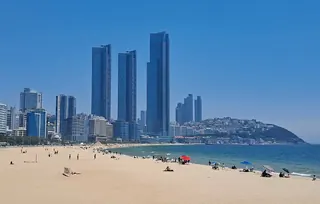 Busan or Jeju for a short trip? An honest comparison
One is a big port city you can reach by train and explore by subway. The other is an island that rewards a car. Which one fits depends on how you like to travel.
Busan or Jeju for a short trip? An honest comparison
One is a big port city you can reach by train and explore by subway. The other is an island that rewards a car. Which one fits depends on how you like to travel.
-
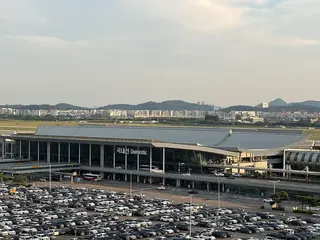 How to get to Jeju from Seoul: flights, ferries and getting around the island
Almost everyone flies, and for good reason. The ferry is a real option if you want the trip itself to be part of the holiday, or you're bringing a car.
How to get to Jeju from Seoul: flights, ferries and getting around the island
Almost everyone flies, and for good reason. The ferry is a real option if you want the trip itself to be part of the holiday, or you're bringing a car.
-
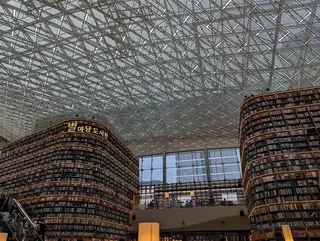 What to do in Seoul when it rains
Seoul is surprisingly good in the rain, as long as you plan around a few big indoor anchors and the miles of shopping corridors under the streets.
What to do in Seoul when it rains
Seoul is surprisingly good in the rain, as long as you plan around a few big indoor anchors and the miles of shopping corridors under the streets.
- Korea trip checklistA tick-box list that remembers your progress on this device.