Korea in winter: how cold it gets, what's on, and whether it's worth going
Seoul gets properly cold, but it's the driest season and off-peak outside the holidays. Here's what December to February looks like, what's on, and who'll enjoy it.
Worth it if you pack for real cold and like cities, food and festivals; skip it if your trip is mostly hiking, beaches or long days outdoors.
Quick answer
- Cold but dry: January is Seoul's coldest month, averaging -1.9°C day and night together, and cold snaps push mornings below -10°C. December to February brings only about 5% of the year's rain and snow.
- What's on: Seoul's lights and markets run from mid-December into early January, the Seoul Plaza ice rink costs 1,000 won an hour, and Gangwon's ice-fishing festivals run through January.
- Skiing: Korea's big ski resorts opened between November 21 and early December last season.
- Holiday to plan around: Seollal 2027 runs February 6 to 9. Book trains early. Palaces were free over the 2026 Seollal break.
- Short days: around New Year, Seoul's sun rises at about 7:47 a.m. and sets at about 5:24 p.m., so plan outdoor sights early.
- Seoul January average
- -1.9°C
- Seoul Plaza ice rink
- 1,000 won per hour
- Hwacheon festival 2026
- January 10 to February 1
- Seollal 2027
- February 6 to 9
You’ve found cheap flights for January, or winter is simply when you can get time off, and now you’re wondering whether you’ll spend the whole trip freezing. Seoul in winter is cold, sometimes sharply so, but it’s also the driest time of year, and outside the holidays it’s off-peak for visitors. Most of what makes a Seoul trip good still works, and a few things only happen in winter.
The short version
Korea in winter is worth it if you pack properly and your trip is built around cities, food, markets, spas and a festival or two. It’s the wrong season if you mainly want hikes, beaches or long scenic days outside.
December has the lights and the Christmas markets. January is the coldest month and the peak for ice festivals and skiing. February is still cold, and in 2027 it brings Seollal, the Lunar New Year, from February 6 to 9. Busan and Jeju are milder than Seoul, but neither is warm.
How cold it actually gets
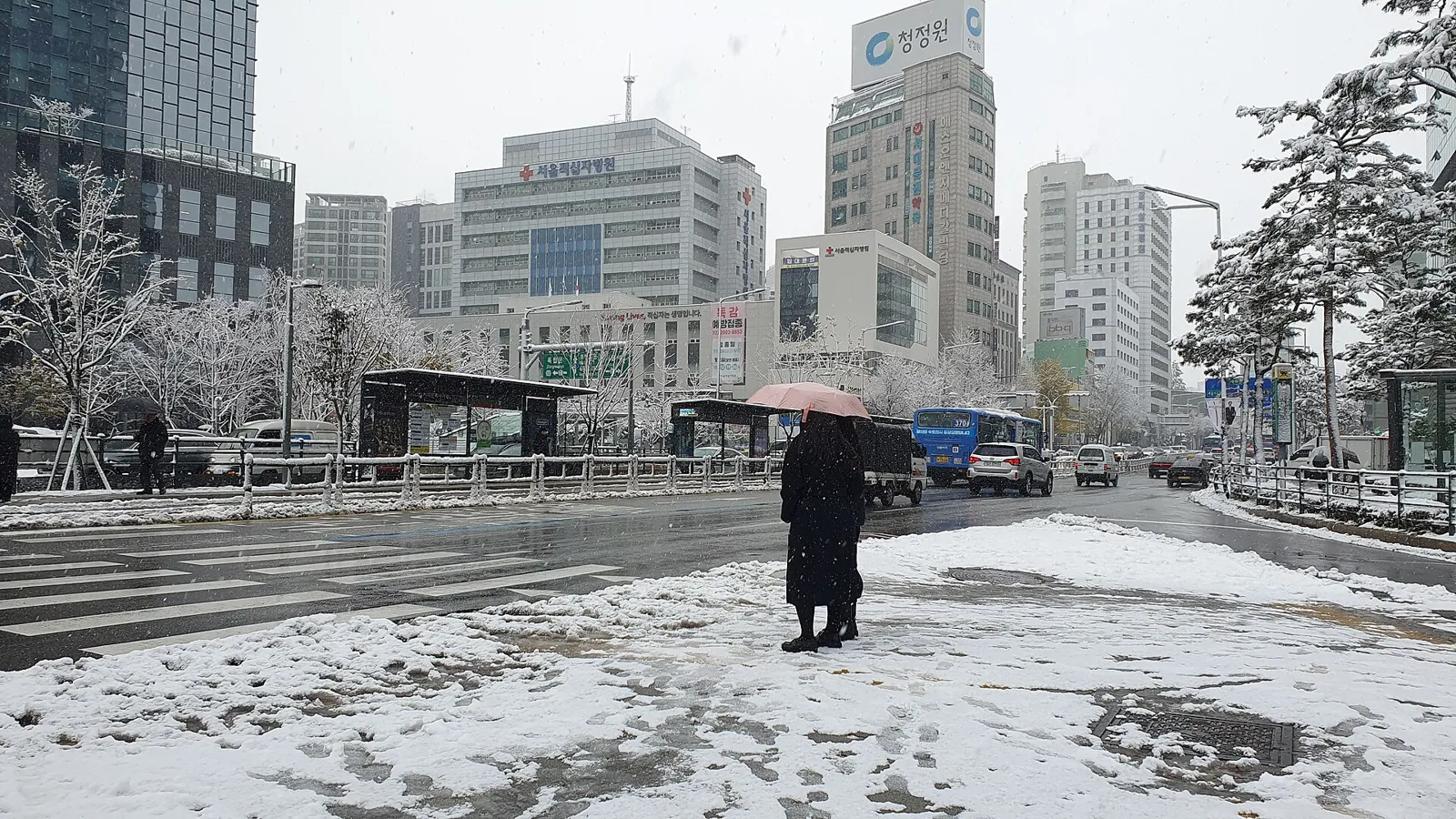
The Korea Meteorological Administration’s 1991 to 2020 normals put Seoul’s January average at -1.9°C. That’s the whole day and night together, so afternoons can be a few degrees above zero while early mornings sit well below it.
The average hides the cold snaps. On January 2, 2026, Seoul was at -11.2°C at 8 a.m., and in late January forecasters expected a week of mornings below -10°C, with strong wind making it feel colder. Plan for at least one spell like that.
Snow is less common than people picture. Seoul’s normal first snow is around November 20, but December to February brings only about 5% of the year’s rain and snow (67.6 mm in total). Expect more dry days than snowy ones in the city. If you want deep snow, the ski areas and Hallasan are a better bet.
Seoul winter at a glance
January average
-1.9°C
- Coldest month of the year
- Cold snaps below -10°C in the morning
Rain and snow
About 5% of the year
- 67.6 mm from December to February
- Normal first snow around November 20
Daylight
About 7:47 to 5:24
- Sunrise January 1, sunset December 31
Air quality
Dust season
- Seoul's fine dust measures run December to March
Two other things to know. Days are short: Seoul’s sunset on December 31 is at about 5:24 p.m., and sunrise on January 1 at about 7:47 a.m. And the air isn’t always clean. Seoul runs its fine dust seasonal measures from December to March because high-dust days are frequent then, so check the air quality forecast each morning and carry a KF94 mask if you’re sensitive. The best time to visit guide has month-by-month weather for the rest of the year.
What’s good about a winter trip
The honest case for winter is that Seoul is an indoor-friendly city. Markets, food streets, department store food halls, museums, cafes and underground shopping arcades all carry on as normal, and none of them care what the temperature is outside.
Winter food is a real reason to come. Street stalls sell hotteok (sweet filled pancakes), bungeoppang (fish-shaped pastries with red bean) and roasted sweet potatoes, and Korea’s hot soups and stews are made for this weather.
A jjimjilbang, the Korean bathhouse and sauna, makes the most sense in winter. A few hours in the hot pools is the easiest way to thaw out after a cold day of walking. Our jjimjilbang guide explains how they work, and the rainy day Seoul guide lists indoor plans that work just as well on a freezing day.
Spring blossoms and autumn leaves are the big draws, so those are the seasons to book furthest ahead. Winter is the off-season for that kind of sightseeing, though the Seollal break still brings crowds.
Festivals, ice and skiing
Seoul’s winter lights. The city’s Seoul Winter Festa ran from December 12, 2025 to January 4, 2026, its third year, after drawing 5.4 million visitors the year before. It spreads across Gwanghwamun Square, Cheonggyecheon Stream, Seoul Plaza and Dongdaemun Design Plaza (DDP). The Seoul Lantern Festival lines Cheonggyecheon with light sculptures, Gwanghwamun gets a Christmas market and media facade shows, the Bosingak bell is rung at midnight on December 31, and DDP holds a New Year countdown. The 2026-27 dates hadn’t been announced when we checked, but the pattern has been mid-December to early January.
The Seoul Plaza ice rink. In front of City Hall, the rink ran from December 19, 2025 to February 8, 2026. One hour costs 1,000 won, including skate and helmet rental. It was open 10 a.m. to 9:30 p.m. Sunday to Friday and until 11 p.m. on Saturdays and public holidays, with late hours on Christmas Eve and New Year’s Eve. It can close for bad weather or poor air. It’s one of the cheapest fun things to do in Seoul.
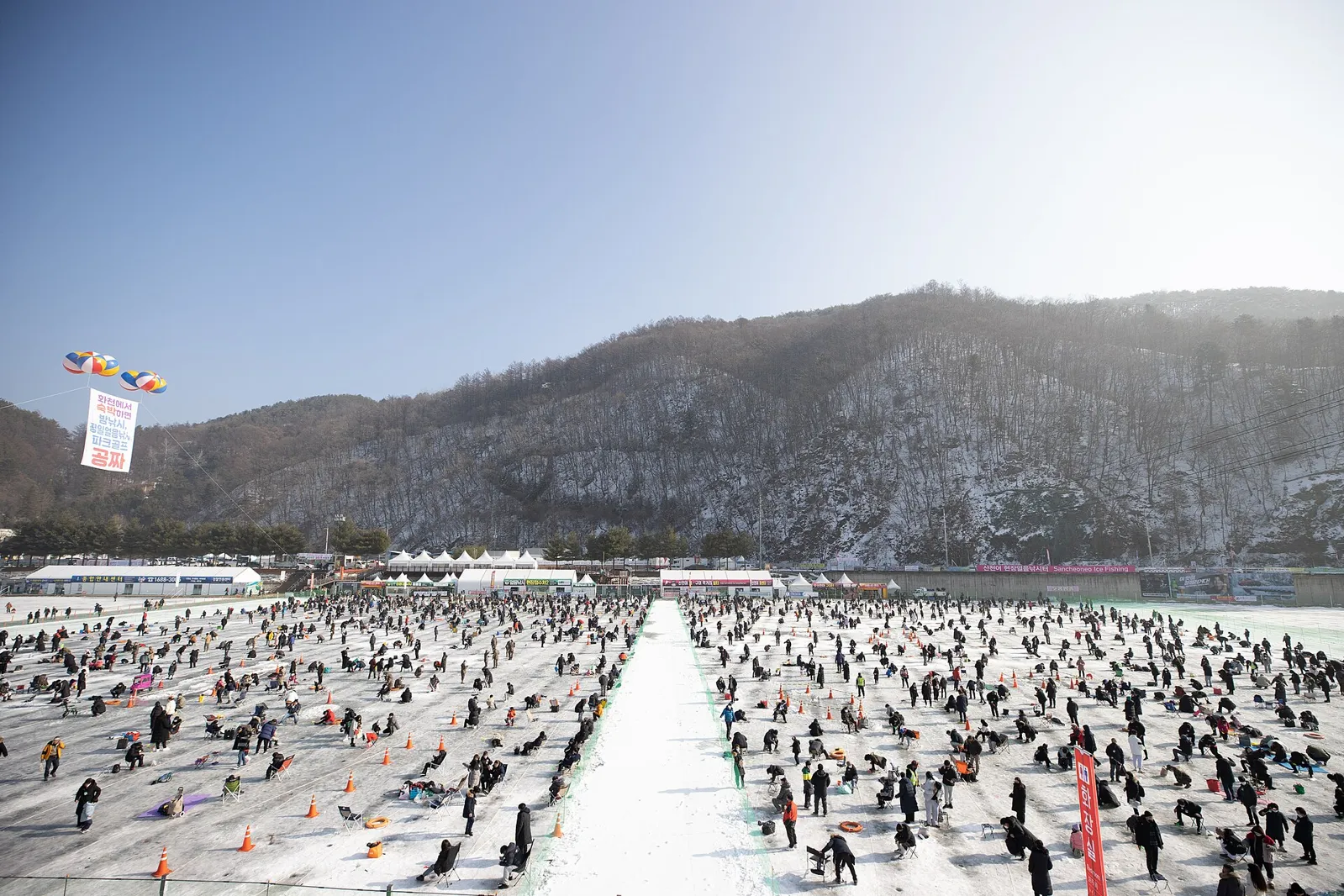
Ice-fishing festivals in Gangwon. The big one is the Hwacheon Sancheoneo Ice Festival, held on a frozen river in Hwacheon, about 90 km northeast of Seoul. The 2026 edition ran January 10 to February 1 and passed a million visitors in about two weeks. You fish for trout through holes in the ice, and there’s night fishing, bare-hand fishing, sledding, and foreigner-only fishing and rest areas. The fishing program cost 15,000 won, with about 5,000 won of that returned to spend locally. For 2027 the county is considering about 25,000 won for adults, with the rebate rising to about 15,000 won. The Pyeongchang Trout Festival, by the Oedae Stream in Jinbu, ran January 9 to February 9, 2026, with ice fishing, snow sledding and snowmobile rides.
Skiing. Most of Korea’s big ski resorts are in Gangwon. For the 2025-26 season, Phoenix Snow Park and Mona Yongpyong in Pyeongchang opened on November 21, High1 on November 28, and Gonjiam and Vivaldi Park in early December. Some resorts open with only a slope or two and add more through December, and opening days depend on how cold it is for snowmaking. Mona Yongpyong planned its season-closing event for late February.
Outside Seoul, the Garden of Morning Calm in Gapyeong runs a light festival on winter evenings (check the dates), and our Nami Island verdict covers it along with Nami in snow.
Seollal, Christmas and New Year
Seollal 2027 runs from Saturday, February 6 to Tuesday, February 9. Many Koreans travel to see family, so book KTX seats and domestic flights as early as you can. Some small restaurants and shops may close, especially on Seollal day itself.
There’s an upside. Over the 2026 Seollal break, Gyeongbokgung, Changdeokgung, Deoksugung, Changgyeonggung, Jongmyo and 22 royal tombs were free to enter for five days (Changdeokgung’s Secret Garden excluded). They all closed on the day after the holiday, so don’t plan a palace visit for February 10, 2027 without checking.
Christmas (December 25) is a public holiday, and it falls in the middle of Seoul’s winter lights and markets, so expect busy evenings around Gwanghwamun and Cheonggyecheon. New Year’s Eve brings the Bosingak bell and the DDP countdown, but the big family holiday of the Korean winter is Seollal, not January 1.
Busan, Jeju and the mountains
Busan and Jeju City average a few degrees above Seoul in January (the table in our best time to visit guide has the numbers), but that still means coat weather, not beach weather. Both are fine for walking on clear days.
Jeju’s mountain is a different story. Hallasan gets real snow: on January 2, 2026, 13.3 cm fell on its Samgakbong peak in one cold snap. From October 1 to March 31 the trails use winter cut-off times. Entry starts at 5 a.m., but Donnaeko closes to new hikers at 10 a.m., Seongpanak and Gwaneumsa at 11:30 a.m., and Eorimok and Yeongsil at noon. Seongpanak and Gwaneumsa, the two summit trails, need a reservation. There are also afternoon deadlines for coming back down, and trails can close in weather warnings. The park asks hikers to bring crampons, gloves, warm water and spare clothes, and to check for icy trails after snow.
Mistakes that catch visitors out
Packing for the average. -1.9°C sounds manageable until a cold wave takes the morning to -11°C. Bring a proper down coat, a hat, gloves and thermal layers, not just a jacket.
Planning long outdoor days. With sunset before 5:30 p.m. and freezing wind, a full day of walking outside is hard work. Do palaces and viewpoints in the morning, then move indoors.
Booking Seollal travel late. If your dates touch February 6 to 9, 2027, book trains and domestic flights as soon as they open.
Assuming snow. Seoul’s winter is mostly dry. If snow is the point, head for Gangwon’s mountains or Hallasan, not the city.
Forgetting the air. A clear cold day can still be a high-dust day. Check the forecast before you plan a viewpoint.
Trusting last year’s festival dates. Hwacheon is being reworked for 2027, and Seoul’s winter events are announced only weeks ahead. Check before you build a trip around one.
What we’d do
First trip, five days or fewer: Come in mid-December to early January if you can. You get Seoul’s lights, the skating rink and the markets, and you avoid Seollal. Plan mornings outdoors and afternoons in markets, museums and a jjimjilbang.
You want snow and winter sports: Go in mid-January. Spend a day or two at a Gangwon ski resort or the Hwacheon ice festival, and add a night in Pyeongchang rather than rushing back to Seoul the same day.
Budget or quiet travel: Late January or late February, avoiding the Seollal week. It’s cold, but you skip the spring crowds and the summer rain.
Mostly here for hiking or beaches: Wait for spring or autumn. Winter Korea is good, but not for that.
Questions people ask
How cold is Seoul in winter?
January averages -1.9°C over the whole day and night, and cold waves regularly push mornings below -10°C. On January 2, 2026, Seoul was at -11.2°C at 8 a.m.
Does it snow in Seoul?
Yes, but not a lot. Seoul's normal first snow is around November 20, and winter is its driest season, with only about 5% of the year's rain and snow. For deep snow, head to the ski areas or Hallasan.
Is Korea worth visiting in winter?
Yes, if you plan for the cold. Seoul's food, markets, palaces, spas and winter festivals all work well. It's a weaker season for hiking, beaches and long scenic days outdoors.
When is Seollal in 2027?
The Seollal holiday runs from Saturday, February 6 to Tuesday, February 9, 2027. Book trains early, and have a backup if a small restaurant is closed on the day itself.
Can tourists go to the Hwacheon ice fishing festival?
Yes. The 2026 festival ran January 10 to February 1 in Hwacheon, Gangwon, with foreigner-only fishing and rest areas. Dates for 2027 hadn't been announced when we checked in October 2026.
When does ski season start in Korea?
Last season Phoenix Snow Park and Mona Yongpyong (with a few slopes at first) opened on November 21, High1 on November 28, and Gonjiam and Vivaldi Park in early December. Openings depend on snowmaking weather.
How we checked this
Change log
- First published.
Sources
- Korea Meteorological Administration: regional climate characteristics, Seoul 1991-2020 normals (checked 2026-10-10)
- Korea Times: nation hit by severe cold wave with heavy snow forecast in southern regions (2026-01-02)
- Kukinews: cold wave keeps Seoul mornings below minus 10 (2026-01-20)
- Sateconomy: 2025 first sunrise times from the Korea Astronomy and Space Science Institute (2024-12-31)
- Seoul Metropolitan Government: 7th fine dust seasonal management, December to March (2025-12-05)
- Kyunghyang Shinmun: Seoul Winter Festa 2025 runs December 12 to January 4 (2025-11-25)
- Seoul Metropolitan Government: Seoul Plaza ice rink opens December 19, still 1,000 won (2025-12-16)
- Korea Times: ice fishing festival kicks off in Hwacheon (2026-01-10)
- Korea JoongAng Daily: Hwacheon ice fishing festival tops 1 million visitors (2026-01-25)
- Kyunghyang Shinmun: 2026 Hwacheon festival dates and ice sculpture plaza (2025-12-18)
- MTN: Hwacheon festival reworked for 2027, fee change under review (2026-10-02)
- Kukinews: 2026 Pyeongchang Trout Festival opens (2026-01-10)
- Asia Economy: Phoenix Park and Mona Yongpyong open the 2025-26 ski season (2025-11-20)
- Financial News: 2027 public holidays, Seollal February 6 to 9 (2026-06-30)
- Newsis: four palaces, Jongmyo and royal tombs free over Seollal 2026 (2026-02-16)
- WikiTree: Hallasan winter entry cut-off times from October (2026-09-28)
Spotted something out of date? Tell us and we'll re-check it.
Read or use next
-
 Best time to visit Korea: a season-by-season guide with real dates
Spring and autumn are the easy answer, but each has its own catch. Here's what the weather, the flowers and the holiday calendar actually look like month by month.
Best time to visit Korea: a season-by-season guide with real dates
Spring and autumn are the easy answer, but each has its own catch. Here's what the weather, the flowers and the holiday calendar actually look like month by month.
-
 Is a jjimjilbang worth it? An honest guide to Korean saunas
Cheap, warm, very Korean and more relaxing than it sounds. The nude bath part is real, though, and the famous old spas in the guidebooks have mostly gone.
Is a jjimjilbang worth it? An honest guide to Korean saunas
Cheap, warm, very Korean and more relaxing than it sounds. The nude bath part is real, though, and the famous old spas in the guidebooks have mostly gone.
-
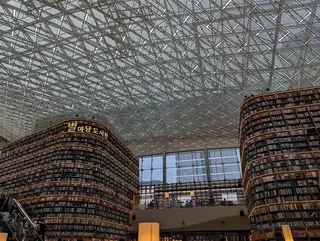 What to do in Seoul when it rains
Seoul is surprisingly good in the rain, as long as you plan around a few big indoor anchors and the miles of shopping corridors under the streets.
What to do in Seoul when it rains
Seoul is surprisingly good in the rain, as long as you plan around a few big indoor anchors and the miles of shopping corridors under the streets.
-
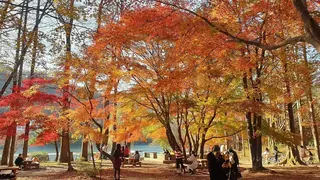 Is Nami Island worth it? An honest look
A pretty, well-run river island that gets very crowded. Worth it in the right season and mood, skippable if you came for wilderness or a Winter Sonata time capsule.
Is Nami Island worth it? An honest look
A pretty, well-run river island that gets very crowded. Worth it in the right season and mood, skippable if you came for wilderness or a Winter Sonata time capsule.