Is a jjimjilbang worth it? An honest guide to Korean saunas
Cheap, warm, very Korean and more relaxing than it sounds. The nude bath part is real, though, and the famous old spas in the guidebooks have mostly gone.
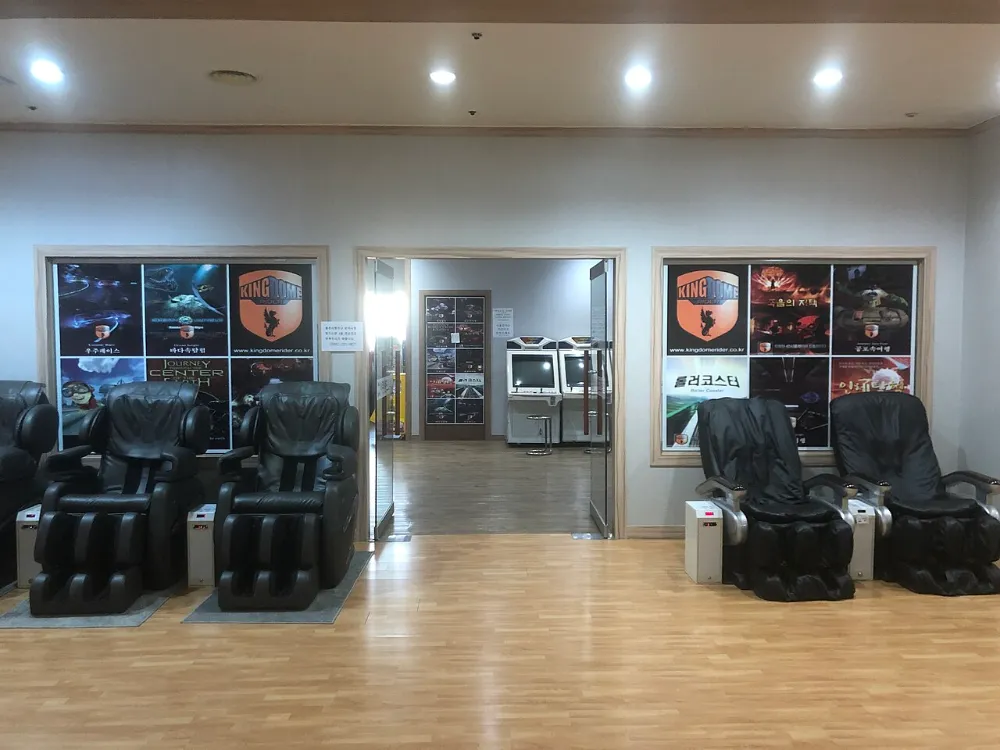
Worth a few hours for most adults who can handle single-sex nude bathing; skip the overnight unless you're stuck, and skip it entirely if public nudity is a hard no.
Quick answer
- What it is: a bathhouse with gender-separated nude baths, plus a shared area where everyone wears the same cotton outfit and lies around on heated floors.
- What it costs: neighborhood baths charge around 9,000 to 10,000 won; big spa complexes run about 25,000 won. Scrubs are extra, roughly 20,000 to 40,000 won.
- The rule that matters: shower thoroughly before you get in any pool. Swimsuits aren't worn in the baths.
- Heads up: Dragon Hill Spa in Yongsan and Siloam Sauna near Seoul Station, the two names in most older guides, are no longer operating.
- Typical entry
- About 7,000 to 26,000 won
- Body scrub
- About 20,000 to 40,000 won
- Bath areas
- Single-sex, nude, no swimsuits
- Overnight
- Only at 24-hour places
Somewhere on your trip you’ll hear that you have to try a jjimjilbang. Then someone mentions that the bath part is naked, and the idea starts to feel less like a relaxing afternoon and more like a test of nerve. Add a few blog posts recommending spas that turn out to be shut, and it’s fair to wonder whether it’s worth the effort.
The short version
For most adult visitors, yes. A jjimjilbang is one of the cheapest good experiences in Korea: a hot soak, a few hours of lying on warm floors, a boiled egg and a cold drink, usually for less than the price of a cocktail. The nudity is limited to single-sex bath areas, where nobody is looking at you because everyone is in the same situation. The shared areas are fully clothed and feel more like a big, sleepy living room.
It’s not worth it if being naked in front of strangers of your own sex is a firm no for you, or if you were hoping to sleep there instead of booking a room. And don’t plan around the two famous Seoul names in older guides. Dragon Hill Spa and Siloam Sauna are no longer operating.
What a jjimjilbang actually is
Two zones, one building.
The first is the bathhouse (mogyoktang): a changing room, a row of washing stations, and several pools at different temperatures, usually with a dry sauna and a steam room. Men’s and women’s sides are completely separate, and everyone is naked. 10 Magazine, an English-language magazine in Seoul, puts it simply: swimwear isn’t allowed in traditional jjimjilbangs.
The second is the jjimjil area, which is mixed. You wear the matching T-shirt and shorts handed out at the front desk and move between heated rooms. The Korea Herald describes floors heated to about 36.5 degrees Celsius and kiln-style rooms (gama) at 50 degrees or more. People nap, watch TV, eat, scroll their phones and chat. The classic snacks are eggs baked in the kiln and sikhye, a sweet, cold rice drink.
Lonely Planet says entry normally covers a locker key, a towel and the cotton outfit. Soap is usually at the washing stations, but shampoo and conditioner often aren’t, so bring your own or buy single-use packets at the counter.
What it costs in 2026
| Type | Example | Adult price | Notes |
|---|---|---|---|
| Neighborhood bathhouse | Local mogyoktang | About 9,000 to 10,000 won | Some raising prices by 1,000 won or more in 2026 |
| Typical jjimjilbang | Spa Rex, Dongdaemun | Check before you go | 24 hours, outfit and towels included |
| Big spa complex, Busan | Spaland, Shinsegae Centum City | 25,000 won (students 20,000) | 4 hours, then 5,000 won per extra hour; 9 a.m. to 10 p.m. |
| Big spa complex, near Seoul | Aquafield Goyang (jjimjil spa) | 26,000 won (children 21,000) | Up to 6 hours, then 5,000 won per hour; 10 a.m. to 10 p.m. |
| Body scrub (seshin) | At most bathhouses | About 20,000 to 40,000 won | Paid separately, often at checkout |
Lonely Planet’s general range for jjimjilbang entry is about 7,000 to 20,000 won, with the smaller neighborhood places cheapest and evening entry usually a little more than daytime. Newsis and YTN reported this year that neighborhood bathhouses charging 9,000 to 10,000 won are raising prices as fuel costs climb, so expect the low end to creep up.
Spaland and Aquafield both sell discounted tickets online. TellTrip reported Naver booking coupons at Spaland and online prices up to 29% lower at Aquafield, so it pays to book ahead rather than walk in. For a sense of how this compares with other costs, see what things cost in Korea.
The famous spas that have closed
This trips up a lot of visitors, because older lists still recommend them.
Dragon Hill Spa (Yongsan). The giant seven-floor spa beside Yongsan Station was once the default foreigner-friendly choice. The Korea Herald reported more than 4,000 visitors a day on winter weekends in 2018. It closed during the pandemic, and a 2024 report carried on Daum found it had never reopened and had posted no reopening notice. Treat it as gone.
Siloam Sauna (Seoul Station). The old 24-hour favorite near Seoul Station is listed as permanently closed on KoreaToDo, and Korean sources describe it as closed too. Don’t build a late-night arrival plan around it.
Itaewon Land. The same 2024 report said the building had been demolished.
What’s still running. Spa Rex at Good Morning City in Dongdaemun reopened after the pandemic and was still being recommended by Cosmopolitan Korea in 2025. It’s on the third basement floor, by Exit 14 of Dongdaemun History & Culture Park Station, and runs 24 hours. In Busan, Spaland at Shinsegae Centum City is the big-name option, fed by hot spring water. Just outside Seoul, Aquafield Goyang, about a 10-minute walk from Samsong Station, is a newer, more polished take. Hours and prices change, so check the current listing in Naver Map before you go (our Naver Map guide helps).
Sleeping over
Jjimjilbangs used to be the backpacker’s cheap bed, and 24-hour ones still let you stay the night. Lonely Planet notes many charge only a little extra for overnight stays, and 10 Magazine says a night pass usually lets you stay about 12 hours or until noon the next day.
Before you rely on it:
- It’s a shared hall. You sleep on a mat on a heated floor with a block pillow, with snoring strangers and the lights rarely fully off.
- Not every big spa is 24 hours. Spaland and Aquafield both close at 10 p.m.
- Cleaning hours. Spa Rex’s listing says it cleans from 1 a.m. to 3 a.m., when scrubs aren’t available.
- Minors. Spa Rex doesn’t admit under-19s without a guardian between 10 p.m. and 5 a.m.
As a backup for a missed last train or an early flight, it’s fine. As a planned budget bed for several nights, a guesthouse is more restful. Our guide to where to stay in Seoul covers cheaper rooms.
Rules and mistakes that catch visitors out
Not washing properly first. This is the big one. Lonely Planet calls it the cardinal rule: wash at a shower station, with soap, before getting into any pool. A quick rinse doesn’t count.
Bringing a swimsuit. You won’t need it. The bath area is nude, and wearing one would mark you as the person who didn’t know.
Dunking your towel. The small towel is for drying off and covering up as you walk around. Keep it out of the water. Many people fold it on their head. Tie up long hair so it doesn’t trail in the pool.
Wearing the outfit into the bath, or nothing into the lounge. Clothes off on your own side; the issued outfit on in mixed areas.
Assuming tattoos are always fine. Korea has no law against showing tattoos, but the Korea Herald found spas posting notices refusing guests with tattoos that “displease others.” Small ones rarely matter. Large visible pieces are worth asking about at the desk.
Bringing the wrong child. Since June 2022, children aged 48 months or older can’t enter the bath or changing room of the opposite sex. Plan who takes which kid.
Forgetting the pay-at-the-end system. At many places, including Aquafield, your wristband or locker key logs every snack and scrub, and you settle up at the exit before the shoe locker opens.
For wider manners, see our guide to Korean etiquette for visitors.
Who loves it and who won’t
People who tend to love it: anyone in Korea in winter, people with sore legs after days of walking, couples and friends who want an easy evening, and anyone curious about ordinary Korean life. It’s a natural fit for a rainy day in Seoul.
People who usually don’t: those who find nudity in front of strangers stressful no matter the context, people with conditions that make heat risky (talk to your doctor if you have heart or blood pressure issues or are pregnant), and light sleepers hoping for a cheap night’s rest.
What we’d do
First-timers who are a bit nervous: Go to a big, modern spa like Spaland in Busan or Aquafield near Seoul. They’re bright, busy with families and couples, and the clothed jjimjil area is large, so the bath can be a quick wash and soak before you change.
Budget travelers in Seoul: Try Spa Rex in Dongdaemun or a well-reviewed local jjimjilbang near your stay. Go in the evening, soak, eat an egg, and head home to your own bed.
Anyone sore from walking: Book a scrub. At 20,000 to 40,000 won, it’s an odd, vigorous and very Korean experience. You will leave noticeably cleaner.
Families: Check the 48-month rule, then go to a large complex where kids have space to roam in the shared area.
If nudity is a firm no: Skip it. A hotel spa or a private sauna is the closer match, though at a very different price.
Questions people ask
Do you have to be naked in a jjimjilbang?
In the bath area, yes. The baths are separated by sex and nobody wears a swimsuit. The shared sauna rooms and lounges are mixed, and everyone wears the T-shirt and shorts the place gives you.
Is Dragon Hill Spa still open?
No. It shut during the pandemic and Korean media reported in 2024 that it had never reopened and had no reopening notice. Siloam Sauna near Seoul Station is also listed as permanently closed.
Can I go to a jjimjilbang with tattoos?
Often yes, but not always. There's no law against it, but some spas post signs refusing guests with tattoos that might bother others. Small tattoos rarely cause trouble; large visible ones are worth checking about first.
Can I sleep overnight in a jjimjilbang?
At 24-hour places, yes, usually for a small surcharge or within the ticket's time limit. You sleep on a mat in a shared hall, so it works as an emergency bed, not a hotel replacement.
Can kids come into the bath with a parent of the other sex?
Only very young ones. Since June 2022, children aged 48 months or older can't enter the bath or changing room of the opposite sex.
How we checked this
Change log
- First published.
Sources
- Lonely Planet: Your first time at a Korean bathhouse (2026-01-05)
- 10 Magazine: What to expect at a Korean jjimjilbang in Seoul (checked 2026-10-09)
- Korea Herald: Heated floors and hot steamed rooms of jjimjilbang (2018-12-13)
- Korea Herald: Sports facilities, saunas, kids cafes among least tattoo-friendly places (2022-10-25)
- Korea JoongAng Daily: How old Korean spa treatments are luring young tourists (2025-08-29)
- Newsis: Neighborhood bathhouses squeezed by fuel costs (2026-04-03)
- YTN: Bathhouse prices rise with fuel costs (2026-05-19)
- Castpick (via Daum): What happened to the big three jjimjilbangs closed by COVID (2024-08-17)
- KoreaToDo: Siloam Sauna Jjimjilbang (closed) (checked 2026-10-09)
- Kormedi: Children 48 months and older barred from opposite-sex bathhouses (2022-06-21)
- TellTrip: Centum Spaland at Shinsegae Centum City (2026-06-12)
- TellTrip: Aquafield Goyang guide (2026-06-12)
- Cosmopolitan Korea (via Daum): Six jjimjilbangs for a date (2025-03-27)
- Waug: Spa Rex Good Morning City jjimjilbang ticket (checked 2026-10-09)
Spotted something out of date? Tell us and we'll re-check it.
Read or use next
-
 Korean etiquette for visitors: the rules that matter and the ones that don't
Nobody expects a tourist to know every custom. A handful of things do matter, though, and they're easy. Here's which is which.
Korean etiquette for visitors: the rules that matter and the ones that don't
Nobody expects a tourist to know every custom. A handful of things do matter, though, and they're easy. Here's which is which.
-
 Is Korea expensive? Real daily costs in 2026
Getting around and eating simply is cheap. Barbecue, cafes and taxis are where the money goes, and they add up faster than you'd think.
Is Korea expensive? Real daily costs in 2026
Getting around and eating simply is cheap. Barbecue, cafes and taxis are where the money goes, and they add up faster than you'd think.
-
 What to do in Seoul when it rains
Seoul is surprisingly good in the rain, as long as you plan around a few big indoor anchors and the miles of shopping corridors under the streets.
What to do in Seoul when it rains
Seoul is surprisingly good in the rain, as long as you plan around a few big indoor anchors and the miles of shopping corridors under the streets.
-
 2 days in Busan: an area-by-area plan that ends near the station
East side and the coast on day one, old Busan on day two, and you finish two subway stops from your train home.
2 days in Busan: an area-by-area plan that ends near the station
East side and the coast on day one, old Busan on day two, and you finish two subway stops from your train home.