Alipay in Korea in 2026: where Alipay+ wallets work, and where they don't
Twenty-one overseas wallets work in Korea through Alipay+, including in tens of thousands of taxis. The subway is the big gap, and a Kakao Pay sign doesn't mean your wallet works.
Quick answer
- Yes, Alipay works in Korea: through Alipay+, Alipay and 20 other overseas wallets and bank apps were accepted at more than 2 million Korean merchants as of late 2025.
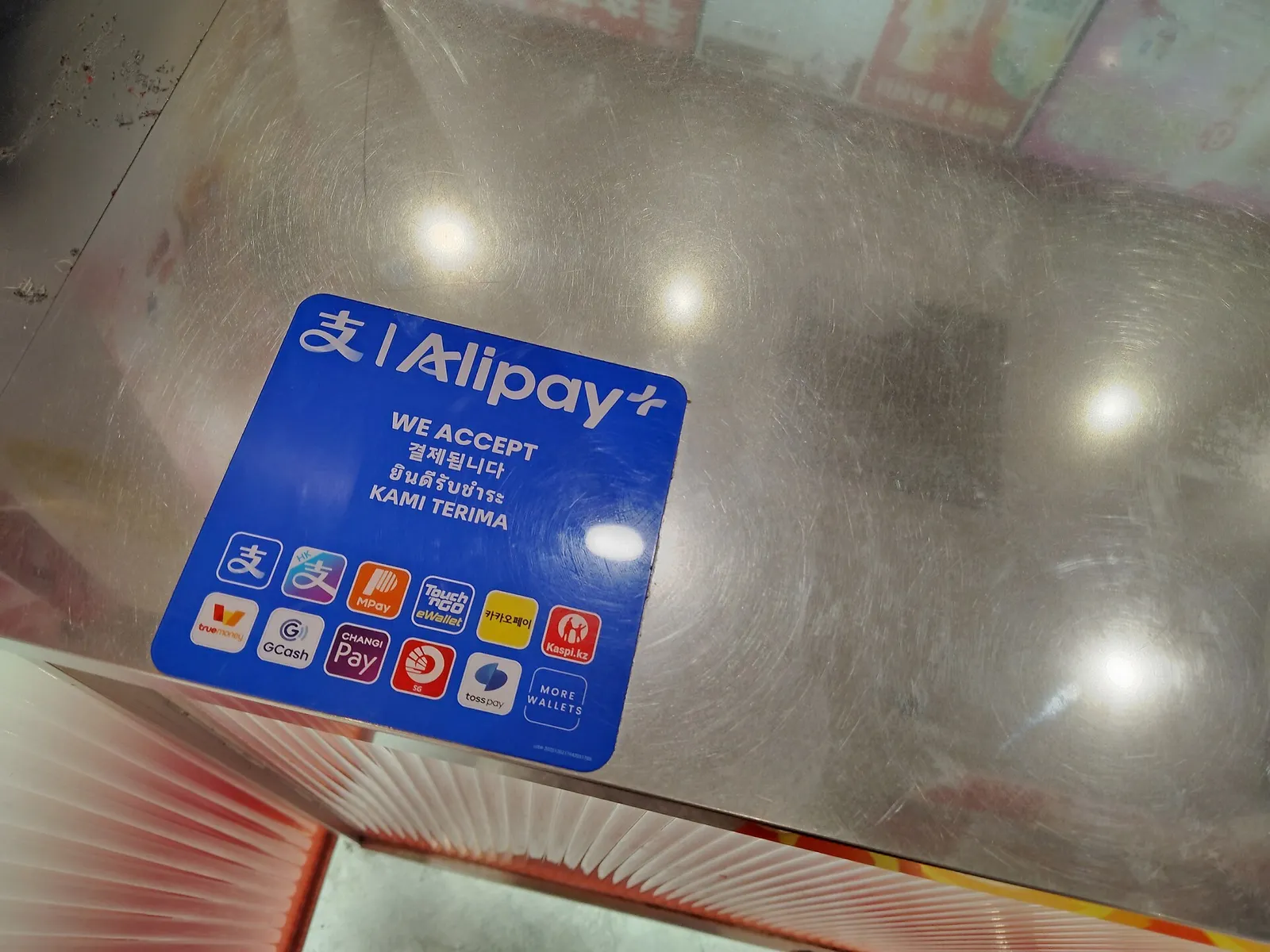
- Wallets include Alipay, AlipayHK, Touch 'n Go eWallet, PayPay, MPay, GCash and TrueMoney. Look for the Alipay+ sign at the counter.
- Taxis and airport buses, yes: more than 70,000 Seoul taxis and over 100 Incheon Airport limousine buses take it.
- Seoul subway gates, no: use a T-money card loaded with cash, or a ticket bought with a foreign card.
- Overseas wallets on Alipay+
- 21 (late 2025)
- Korean merchants
- 2 million+
- Seoul taxis
- 70,000+
- Daegu discount
- Up to 20%, to Dec 31, 2026
You use Alipay, GCash, Touch ‘n Go or PayPay every day at home, and you’d rather not carry a card or exchange much cash for a week in Seoul. Most of the answers you’ll find are a Reddit thread, a 2023 press release or a page about Alipay in China. Here’s the Korea answer, checked against Alipay+’s own pages and Korean reporting in October 2026: it mostly works, with one big gap.
The short version
Yes. Alipay and 20 other overseas wallets work in Korea through Alipay+, Ant International’s network that links your home wallet to Korean shops. As of late 2025 that meant more than 2 million Korean merchants, mostly small and mid-sized ones, plus more than 70,000 Seoul taxis and over 100 airport limousine buses from Incheon. You pay in your own currency in your own app, and the wallet handles the conversion.
The gap is trains. No source we found lists Alipay at Seoul subway gates, so you still need a T-money card or a ticket for the subway. And a counter showing Kakao Pay or Naver Pay isn’t the same as one showing Alipay+: those Korean wallets are partners for Koreans paying abroad, not a sign that your wallet works there.
Alipay+ in Korea, as of October 2026
Works
Shops with the Alipay+ sign
- 2 million+ merchants
- Street stalls in Myeongdong too
Works
Taxis and airport buses
- 70,000+ Seoul taxis
- 100+ Incheon limousine buses
Doesn't
Seoul subway gates
- Use T-money or a ticket
- Machines take cash or foreign cards
Bonus
Daegu, up to 20% off
- Max 6,000 won a payment
- Until December 31, 2026
Which wallets work in Korea
Ant International said in December 2025 that 21 overseas wallets and bank apps were connected to Korean merchants through Alipay+. Its Korea releases don’t list all 21, but these are the ones they and the 2023 ZeroPay launch name:
| Wallet | Home market | Notes |
|---|---|---|
| Alipay | Mainland China | Most used wallet in Korea |
| AlipayHK | Hong Kong | Also on ZeroPay QR codes since 2023 |
| Touch ‘n Go eWallet | Malaysia | Also on ZeroPay since 2023 |
| PayPay | Japan | Since late September 2025; finish eKYC in Japan first |
| MPay | Macao | Also on ZeroPay since 2023 |
| GCash | Philippines | Named among the top wallets used in Korea in 2025 |
| TrueMoney | Thailand | Joined through ZeroPay in 2023 |
If your wallet isn’t in this table, open it and check its overseas or “pay abroad” page for South Korea before you fly. The wallet decides, not the shop.
Where it works
The short answer is “anywhere with the Alipay+ sign”, and in practice that covers a lot of what a visitor buys. Ant International’s December 2025 release named convenience stores, Mega Coffee, street vendors at the Myeongdong night market, Shinsegae department stores and duty-free shops, and more than 1,500 beauty clinics bookable through a K-beauty mini-program inside Alipay.

| Place | Alipay+? | What to know |
|---|---|---|
| Shops and cafés with the Alipay+ sign | 강추 Worth it Yes | 2 million+ merchants, mostly small businesses |
| Myeongdong night market stalls | 강추 Worth it Often | Look for a QR stand at the stall |
| Seoul taxis | 강추 Worth it Yes | 70,000+ cabs; say so before you pay |
| Incheon Airport limousine buses | 강추 Worth it Yes | 100+ buses |
| Jeju buses and Daegu eZL taxis | 강추 Worth it Yes | 1,200+ Jeju buses, 15,000+ Daegu taxis |
| Seoul subway gates and T-money top-ups | 비추 Skip it No | T-money with cash, or a ticket by foreign card |
| Shops showing only Kakao Pay or Naver Pay | 케바케 Depends Ask | Those signs alone don’t mean Alipay+ |
Use was growing fast. Alipay+ transactions in Korea rose 18% from January to November 2025 compared with a year earlier, with transport payments up 120% and beauty clinics up 90%.
How paying works at the counter
There are three ways to pay, and the shop decides which one it uses. You scan the shop’s QR code and type the amount, the cashier scans the payment code in your app, or, where the shop supports it, you tap your phone. The ZeroPay QR codes found in many small shops work the first way: scan, enter the won amount, confirm. Check the number before you confirm, because a typo is yours to sort out.
Your app shows the charge in your home currency and converts it. PayPay, for example, shows the amount in won and yen side by side. Alipay+ says the home wallet handles the exchange, and it doesn’t publish one rate for every wallet, so compare a payment against your card’s rate on the first day if the difference matters to you. If a shop refunds you, the money goes back to the same wallet in your currency, usually within a few business days.
For tax-free shopping, the refund at the airport kiosk can also go to Alipay or WeChat Pay; our tax refund guide has the steps and the waiting time.
Taxis, buses and the subway
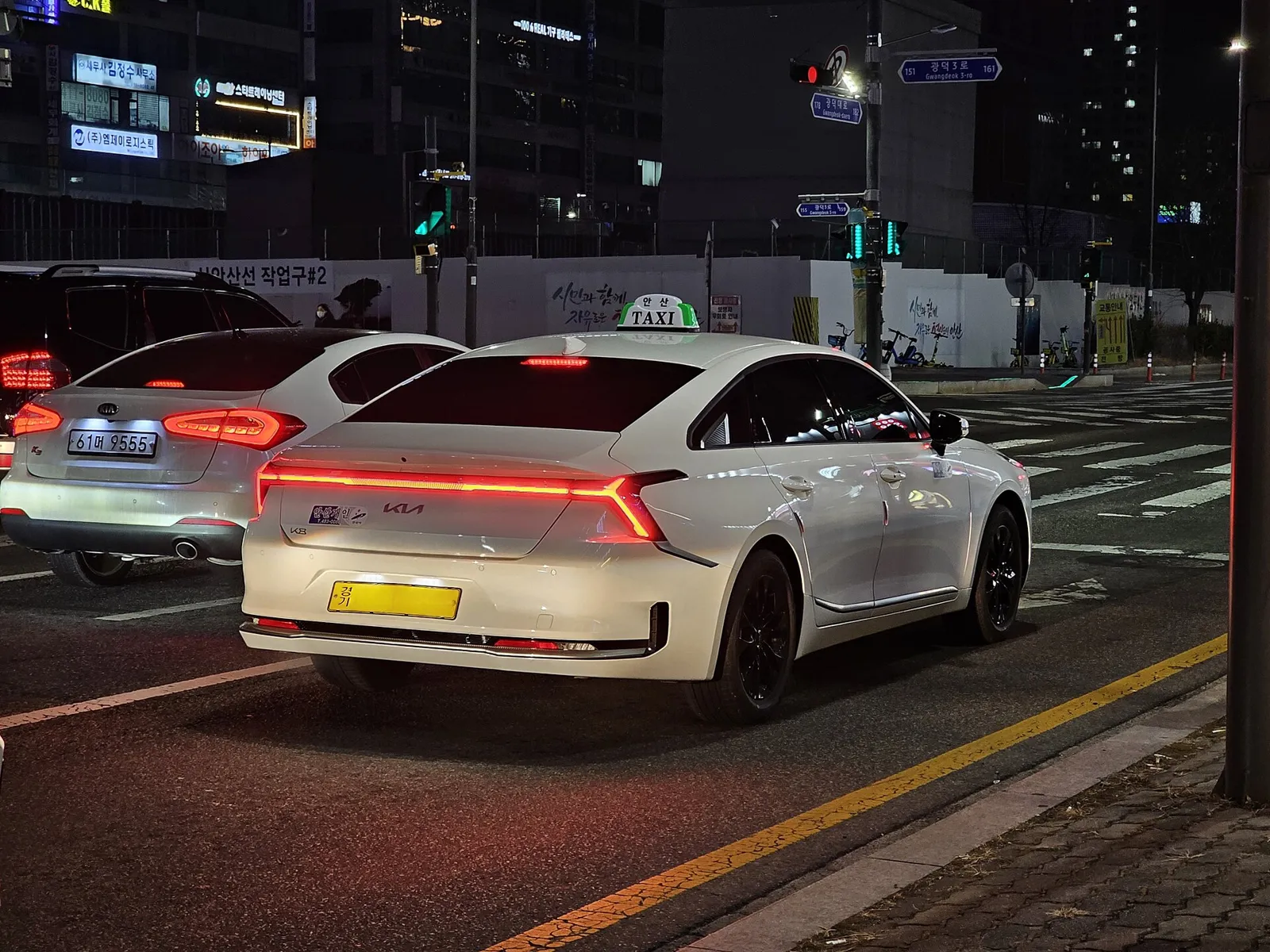
Taxis are where Alipay+ helps most. More than 70,000 Seoul taxis take it, so tell the driver you’re paying with your wallet before the fare is settled. Fares and night surcharges are in our taxi guide. Outside Seoul, more than 15,000 eZL taxis in Daegu and over 1,200 buses on Jeju take it too.
The subway is the problem. Seoul’s gates take T-money and other Korean transit cards, and no source we found lists Alipay among them. Since March 17, 2026, Seoul’s newer station ticket machines take overseas Visa and Mastercard cards for single tickets and short-term Climate Card passes, with an average 3.7% fee on overseas cards. The same machines take mobile payment apps: Seoul named Kakao Pay and Naver Pay, and in the first month WeChat Pay was the most used of them, about 2,069 payments a day. None of the reports we read named Alipay. Our transit card guide compares the options. Busan’s station machines were still cash only in June 2026, with card payment promised for the second half of the year, though its subway app sells tickets and passes to foreign Visa, Mastercard and JCB cards. A June 2026 report said Busan’s subway planned Alipay payments through a mini-program, but we couldn’t find confirmation that it launched, so don’t count on it.
Mainland Alipay users get extras inside the Alipay app: Korail train tickets through a mini-program, and a transit pass for Korean subways and buses sold with a Korean partner. Check the current terms in the app before you buy.
WeChat Pay and Korean wallets
WeChat Pay isn’t part of Alipay+, but it works in Korea on its own network. Danal, its Korean partner, said WeChat Pay QR payments hit a record in the first half of 2026, up 62.7% year on year, mainly at convenience stores, beauty shops and chain outlets. Look for the WeChat Pay sign. It’s also the most used mobile payment at Seoul’s new subway ticket machines (see above).
Korean wallets are the confusing part. Kakao Pay, Naver Pay and Toss Pay are Alipay+ partners, but the link runs the other way: it lets Koreans pay with their apps abroad. Those apps are built around Korean accounts, and a Kakao Pay or Naver Pay sign by itself doesn’t promise your wallet will work. Our Naver Pay guide explains what tourists can do with Naver.
If you’re from the US or Europe and don’t already use an Asian wallet, don’t set one up for this trip. A Visa or Mastercard is accepted at most Korean counters; see paying in Korea with a foreign card.
Daegu’s 20% discount
Daegu runs an Alipay+ promotion until December 31, 2026. Pay with an Alipay+ wallet (the city named Alipay and AlipayHK) by QR at a merchant showing the ZeroPay or Alipay+ mark, and you get up to 20% off on the spot, capped at 6,000 won (about $4.50) a payment and five uses per person. Participating shops include ones at Daegu Airport, Dongdaegu Station and the Dongseong-ro shopping street. If Daegu is on your route, use the wallet there rather than a card.
Mistakes that catch visitors out
- Walking up to the subway gate with Alipay. It won’t open. Buy a T-money card or a ticket first.
- Reading a Kakao Pay sign as Alipay+. Look for the Alipay+ mark itself, or ask before you order.
- Skipping the wallet’s own checks. PayPay asks you to finish identity verification in Japan, and every wallet has its own overseas settings. Turn them on at home, where your phone number works.
- Going without a backup. Small shops without the sign, some kiosks and the subway still need cash or a card. Bring one card and some won.
- Typing the amount wrong on a ZeroPay QR. You enter it yourself, so check it against the till before you confirm.
What we’d do
You already use Alipay, AlipayHK, GCash, Touch ‘n Go or PayPay: use it as your main way to pay in shops, cafés, street stalls and taxis, and look for the Alipay+ sign before you order. Carry one card or a little cash for places without it.
You’re getting around by subway: get a T-money card on day one and load it with cash, or use the overseas-card ticket machines in Seoul. Don’t plan any part of the subway around your wallet.
You’re going to Daegu before the end of 2026: pay by QR at ZeroPay or Alipay+ shops there; up to 20% off beats any card.
You use WeChat Pay: it works at many convenience stores and chain outlets, and at Seoul’s new subway ticket machines for tickets and Climate Card passes. Keep a card for places without its sign.
You don’t use an Asian wallet at all: skip it and pay with your Visa or Mastercard, which works at most Korean counters.
Questions people ask
Can I use Alipay in South Korea?
Yes. Alipay from mainland China works at shops showing the Alipay+ sign, more than 2 million of them as of late 2025, plus over 70,000 Seoul taxis. It doesn't work at Seoul subway gates.
Does GCash work in Korea?
Yes. GCash is one of the overseas wallets Alipay+ connects in Korea, so it works wherever the Alipay+ sign is shown. Pay in pesos in the app; the wallet handles the conversion.
Can I use PayPay in Korea?
Yes, since late September 2025, at merchants with the Alipay+ sign. Alipay+ advises finishing PayPay identity verification (eKYC) in Japan first, and the app shows the amount in both won and yen.
Can I pay for the Seoul subway with Alipay?
No source we found lists Alipay at Seoul subway gates. Use a T-money card, topped up with cash, or buy tickets at the station machines that take overseas Visa and Mastercard cards.
Does WeChat Pay work in Korea?
Yes, but it runs on its own network, not Alipay+. Its Korean partner Danal reported record WeChat Pay QR payments in the first half of 2026, mostly at convenience stores, beauty shops and chain outlets. It is also the most used mobile payment at Seoul's new subway ticket machines.
How we checked this
Change log
- First published.
Sources
3 of 16 from official sources. Official means the government or the operator itself, Press a news report, Other a guide, blog or reference site we used for context.
- Official Alipay+: PayPay is now accepted in South Korea (2025-09-16)
- Official Alipay+: frequently asked questions (checked 2026-10-29)
- Other Ant International via Business Wire: 2025 sees double-digit increase in tourists' spending via Alipay+ in South Korea (2025-12-08)
- Other Korea Easy Payment Foundation via Business Wire: ZeroPay introduces Alipay+ at 1.7 million merchants in South Korea (2023-08-31)
- Press Korea Times: Alipay+ sees rising demand in Korea as global wallet gateway (2025-12-09)
- Press Hankyung (Korean): foreign visitors pay by QR, Alipay+ payments up 18% (2025-12-09)
- Press Herald Economy (Korean): Alipay+ grows by double digits in Korea (2025-12-08)
- Press ZDNet Korea (Korean): Alipay+ at more than 2 million merchants in Korea (2025-12-09)
- Press Kyungbuk Ilbo (Korean): Daegu mobile payment promotion with Alipay+, up to 20% off (2026-07-22)
- Press Edaily: Danal's WeChat Pay offline QR payments hit a first-half record (2026-08-05)
- Press Herald Economy (Korean): Seoul subway machines one month on, Visa and WeChat Pay lead (2026-04-21)
- Press Wikitree (Korean): from March 17, overseas cards and Kakao Pay and Naver Pay at Seoul subway machines, 3.7% fee (2026-03-16)
- Press CBS Nocut News (Korean): Busan subway ticket machines still cash only (2026-06-10)
- Press Segye Ilbo (Korean): Busan subway app takes foreign Visa, Mastercard and JCB cards (2025-12-01)
- Other Shanghai Journal (Korean): Alipay adds more countries, Busan subway plan (2026-06-30)
- Official Banque de France: euro reference rates, 26 October 2026 (used for won to dollar) (2026-10-26)
Spotted something out of date? Tell us and we'll re-check it.
Part of our Money in Korea: cash, cards and the tax refund topic guide.
Read or use next
-
 Taking taxis in Korea as a tourist (2026)
Seoul taxis are cheap by big-city standards and nearly all take cards. The trouble spots are late nights, airports and drivers who see a tourist.
-
 T-money vs WOWPASS vs Climate Card: which transit card to get in 2026
Three cards, one tap at the gate. Here's which one saves you money, depending on how you'll actually move around.
-
 Buying K-pop concert tickets in Korea as a foreigner: verification, pickup and the 2026 resale law
Book on the global site the organizer names, verify your account with your passport before sale day, and expect your passport to be checked at the gate. Since August 28, 2026, reselling above the culture ministry's line can draw a surcharge of up to 50 times the sale.
-
 Incheon Airport layover: what you can do in 6, 12 or 24 hours
Incheon is one of the better airports to be stuck in, and one of the few that will take you on a free city tour. The question is whether your layover is long enough to leave.